If you want to get more qualified leads from local search, you need to focus on local SEO strategies that improve your visibility in Google Maps, the map pack, and local organic results.
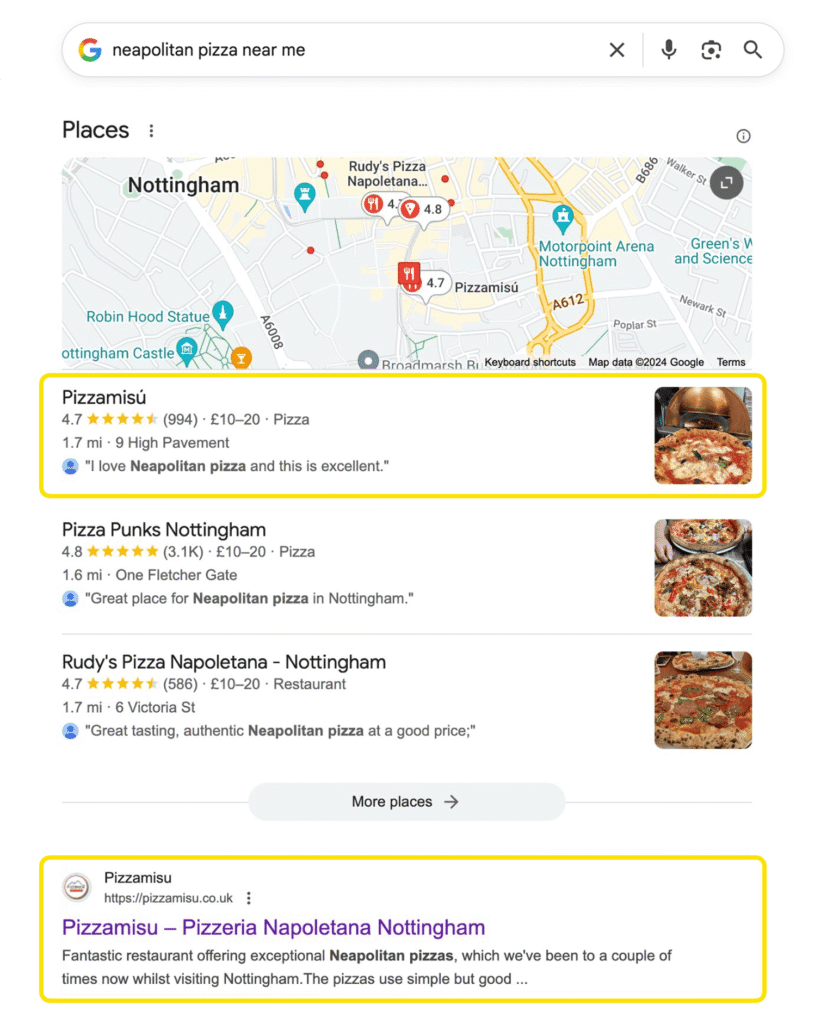
Local businesses lose leads every day because they don’t show up when nearby customers search for their services. People searching for “pizza near me,” “best dentist in [city],” or “HVAC repair [city name]” are not browsing. They want to hire someone right now.
That is exactly the kind of customer you want, and local SEO is the most cost-effective way to get in front of them.
I have spent 15+ years helping local businesses rank higher in local search and turn that visibility into actual phone calls, form submissions, and booked appointments. I have built this guide that explores the exact local SEO tactics that work in 2026.
What is Local SEO?
Local SEO (local search optimization) is the process of optimizing your online presence. Hence, your business shows up when people nearby search for your services on Google and other search engines.
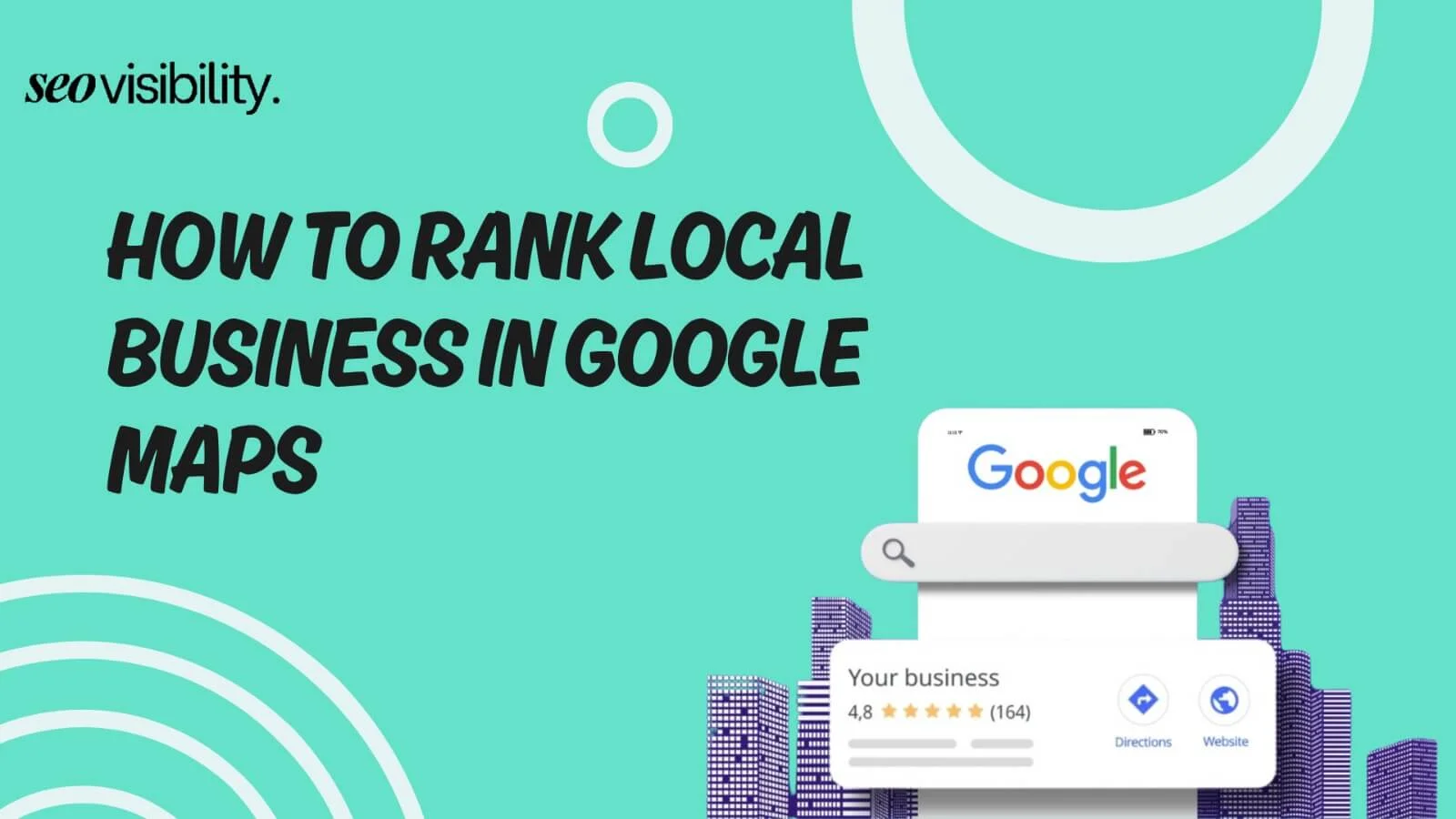
When someone in Chicago searches “emergency plumber,” Google shows them a map pack – those three business listings with a map right at the top of the results. Getting into that map pack and ranking in local organic results below it is what local SEO is all about.
Here is why it matters for your bottom line: nearly 44% of local searchers click directly on the Google 3 Map Pack, skipping the traditional search results entirely. If your business is not optimized for local search, you are handing those leads straight to a competitor.
9 Proven Local SEO Strategies That Bring Qualified Leads
The 9 proven tactics below, from Google Business Profile optimization to local link building, help small service businesses attract ready-to-buy customers, not just random website visitors.
1. Optimize Your Google Business Profile
Your Google Business Profile (GBP) is the foundation of all local SEO strategies. It is the main data source Google uses to show your business in Google Maps and the map pack.
If your profile is incomplete or inconsistent, you will struggle to rank even if your website is strong. If your profile is well-optimized, you can show up in the map pack even with a modest site.
Follow these steps to build a strong Google Business Profile.
First, claim and verify your listing if you have not already done so. Use your correct business name, address, and phone number exactly as they appear in the real world.
- Select the most accurate primary category. If you are a plumber, choose “Plumber,” not “Contractor.” If you are a dentist, choose “Dentist,” not “Doctor.” Then add all relevant secondary categories for services you actually provide.
- Write a clear business description using simple language. Mention your core service and your main city naturally instead of stuffing keywords. For example, “We provide emergency plumbing, drain cleaning, and water heater repair for homes and businesses across Denver.”
- Next, complete every available field. Add your opening hours, website URL, service areas, products or services, and attributes like “wheelchair accessible entrance” or “online appointments” if they apply.
- Upload real, high-quality photos of your team, work, interior, exterior, vans, or equipment. Businesses with rich photo galleries tend to get more views, calls, and direction requests than those with few or no photos.
- Enable messaging if you can reply quickly. Add booking links if you accept online bookings or consultations. These features remove friction and turn more profile views into actual leads.
- Finally, use Google Posts to share offers, updates, and recent work. Aim to post at least once per week with a short message, an image, and a clear call to action such as “Call now,” “Book today,” or “Request a free quote.”
This single strategy alone can dramatically improve your map pack visibility and lead flow when executed well.
2. Keep Your NAP Consistent And Build Strong Citations
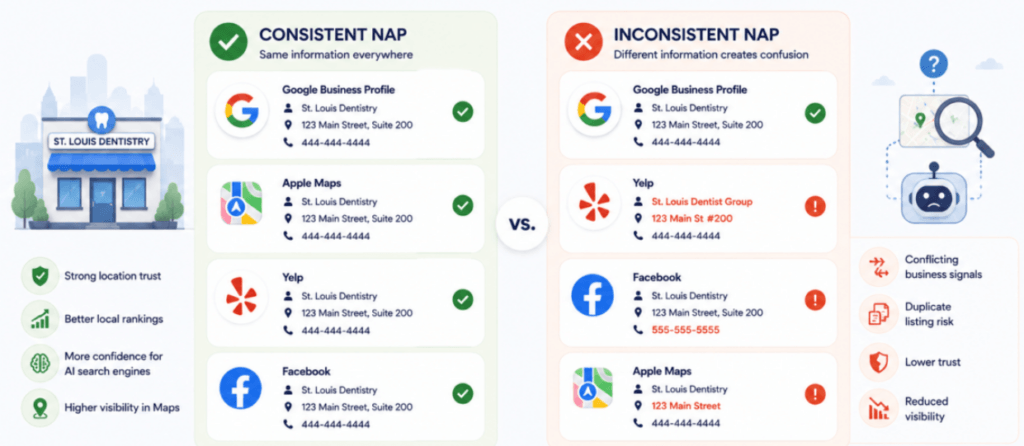
NAP stands for Name, Address, and Phone number. Google cross-checks your NAP across many websites to confirm your business is real and legitimate.
If your business appears as “ABC Plumbing LLC” at one address on Google, but “ABC Plumbing” at a different address on Yelp, and a different phone number on Facebook, it creates confusion. This inconsistency weakens trust and can drag down your local search rankings.
Citations are listings of your business details on directories and platforms. These include Google Business Profile, Apple Maps, Bing Places, Yelp, Facebook, Yellow Pages, and industry-specific directories.
Here is how to build and clean up citations.
- Start with an audit. Use a citation or local SEO audit tool to find where your business is already listed and what information appears there. Identify mismatched names, old addresses, and wrong phone numbers.
- Create one “master” NAP format and stick to it everywhere. Use the same spelling of your business name, the same address format, and the same phone number down to spaces and abbreviations.
- Update your existing listings so they match your master NAP. Then create new citations on trusted platforms that still matter for local SEO in 2026, such as key general directories and relevant niche directories related to your industry.
- Do not chase every low-quality directory. Focus on the major players and well-maintained industry or city sites. Quality citations that are accurate and consistent help boost your map pack and organic rankings.
3. Build Google Reviews
Reviews are one of the strongest local SEO signals and one of the biggest trust factors for real customers. Most people feel more comfortable contacting a business with many recent positive reviews than one with a few old reviews or none at all.
Google looks at review count, star rating, recency, and the language used in reviews. It also pays attention to how often reviews come in. A steady flow of reviews looks natural, while a sudden spike and then nothing can look suspicious.
Your goal is not to get 100 reviews overnight. Your goal is to build a simple review system that consistently brings in new reviews every month.
Here is a straightforward review strategy.
- Ask every satisfied customer to leave a review. Ask in person right after finishing the job or appointment, then follow up with a short text or email including your direct Google review link.
- Explain that reviews help other local customers find you and help your business grow. Most happy customers are willing to help if you just ask and make it easy.
- Use QR codes on invoices, service reports, menus, or front desk signs so in-person customers can scan and leave a review on the spot. The easier it is, the more reviews you will get.
- Respond to every review, both positive and negative. Thank people for positive reviews and mention the service and location in your reply when relevant, for example, “Thanks for trusting us with your water heater replacement in Austin.”
- When you get a negative review, stay calm, be respectful, and respond with empathy. Offer to discuss the issue offline and try to resolve it. This shows future customers that you care and can turn a bad situation into a positive impression.
- Avoid fake reviews, review swaps, and any tricks that violate Google’s policies. These may bring short-term numbers, but they carry long-term risks and can get your profile suspended.
4. Create Service Area Pages
- If you serve multiple cities, suburbs, or neighborhoods, you should not rely on a single generic “areas we serve” paragraph. You need dedicated service area pages to rank for “[service] in [city]” searches across different locations.
- Service area pages are landing pages focused on a specific city or region. They help you show Google that you are relevant to searches in those places, even if your office is in just one location.
- For example, a plumber in Houston who also serves Katy, Sugar Land, and The Woodlands can have separate pages targeting each of those areas with tailored content.
Here is how to structure an effective service area page.
- Use a clean URL structure such as /service-area/city-name/ or /city/service/. Make the title tag something like “Plumbing Services in Katy, TX | Business Name.”
- Start with a short intro that mentions the city, the type of customers you serve there, and the main services you offer. This intro should feel natural and not like a list of keywords.
- Add a section explaining the specific services you provide in that city. Mention any popular services or special offers that are relevant to that location.
- Include one or two local testimonials from customers in that area if possible. Add details like neighborhood names to make them feel genuinely local.
- Use a small city-focused FAQ section that answers questions people in that location often ask. For example, “Do you offer same-day AC repair in Katy?” or “Do you service apartments in downtown Orlando?”
- Embed a Google Map that shows your service area or the direction from your office. This helps Google and users connect you with that geography
- Finish with a strong call to action tailored to that city. For example, “Contact us today for fast plumbing help in Katy and nearby neighborhoods.”
- Each page should have genuinely unique content. Avoid copying the same page and just swapping city names. Unique, helpful content is what separates high-performing service area pages from doorway pages that never rank.
5. Earn Local Backlinks
Backlinks are links from other websites to your site. In local SEO, local backlinks from trusted websites in your area or niche are especially powerful.
These links act like votes of confidence. When respected local sites link to your business, Google sees your brand as more authoritative and relevant to that region.
Focus on quality and relevance. A few strong local backlinks can have more impact than dozens of random links from unrelated sites.
Here are practical ways to get local backlinks
Join your city’s chamber of commerce and local business associations. Most of them list member businesses in online directories with links to their websites.
Sponsor local events, sports teams, or charity initiatives. Organizers often thank sponsors with a logo and link on their event website.
Offer expert quotes or tips to local news outlets, community blogs, or podcasts in your area. Many local journalists and bloggers like to feature local professionals in their stories and will link back to your site.
Partner with complementary businesses. For example, a plumber can collaborate with a remodeling contractor on a joint guide or checklist and feature each other’s services with links.
Get listed in niche directories related to your industry, such as healthcare directories for clinics, home service directories for trades, or restaurant platforms for eateries.
Avoid spammy link schemes, low-quality blog networks, or buying bulk links. These can hurt your rankings instead of helping them.
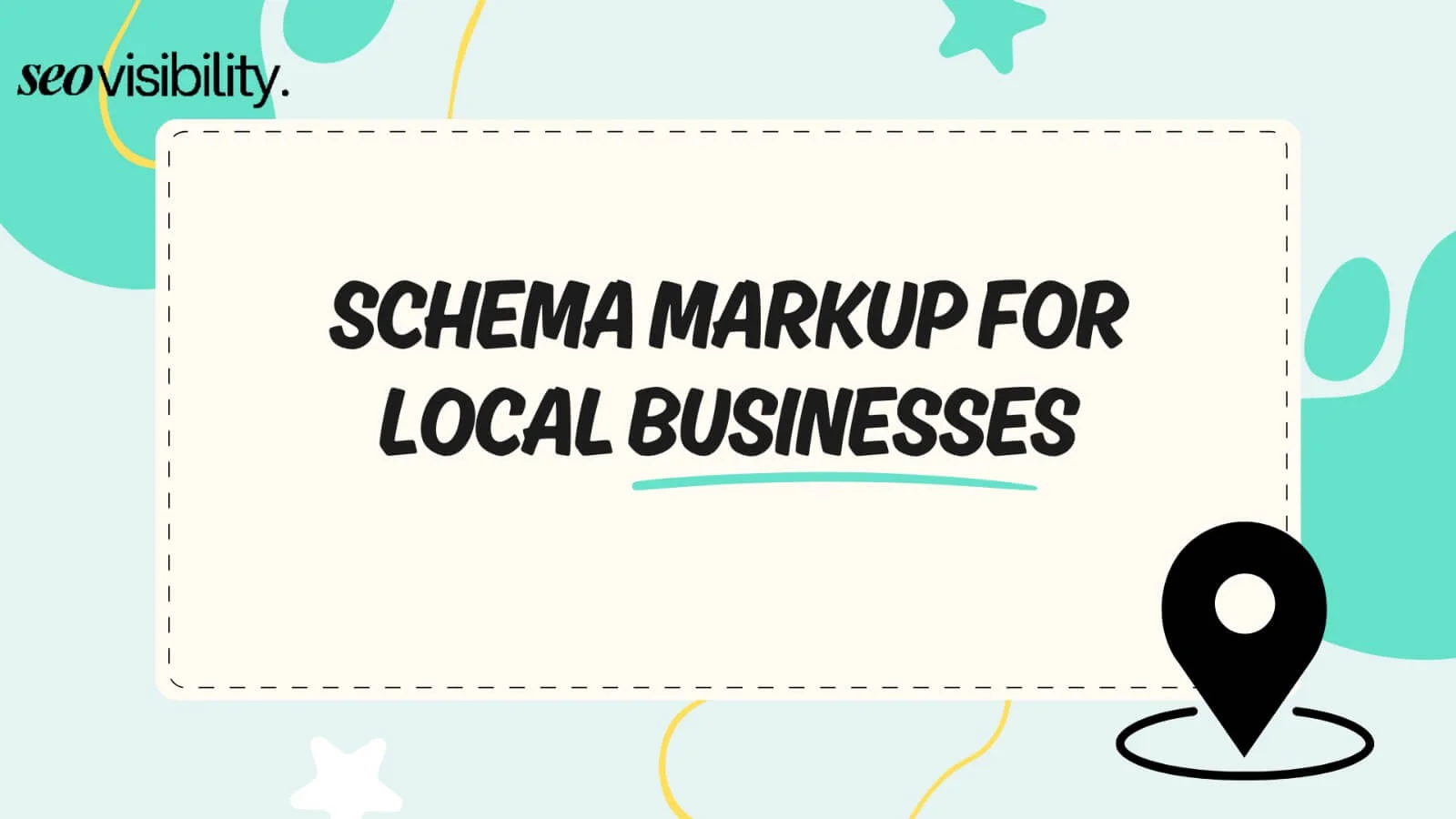
6. Add Schema Markup
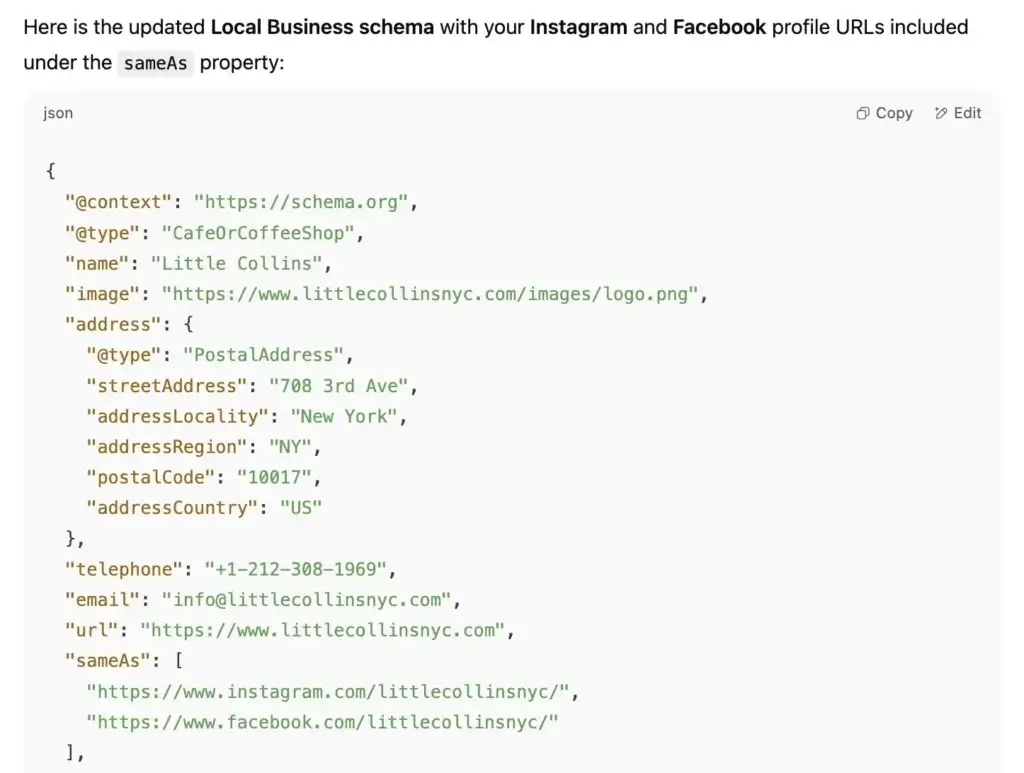
Schema markup, also called structured data, is code you add to your pages to explain your business to search engines in a more precise way. It does not change what visitors see, but it makes your content easier for Google to interpret.
Local business schema can help with richer search results, better local relevance, and trust signals that support your map pack and organic visibility.
The most important schema types for local SEO include LocalBusiness or a more specific subtype like Plumber, Restaurant, Dentist, or MedicalClinic. They also include data such as your name, address, phone, opening hours, and geo-coordinates.
You can also add schema for your services, FAQs, reviews, and service area pages. For example, the FAQ schema can help your questions and answers appear directly in search results as rich FAQ snippets.
Implement schema in JSON-LD format, which is the format Google currently recommends. Add it to the head or body of your HTML, then test it using Google’s Rich Results Test to make sure there are no errors.
Make sure your schema data matches your Google Business Profile and your website NAP. Mismatched data can cause confusion instead of clarity.
7. Improve Local On-Page SEO On Your Website
Your website and your Google Business Profile should support each other. A weak site can hold back a strong profile and vice versa. Local on-page SEO helps your site clearly signal what you do and where you do it.
Start with your title tags. Each main page should include your primary service and your city. An example format is “HVAC Repair in Miami | Business Name.” This helps both users and Google understand the page instantly.
Your H1 heading should support the same idea without being a copy of the title tag. A simple H1 could be “Reliable HVAC Repair in Miami.” Use H2s and H3s to cover related services or neighborhoods naturally.
Write meta descriptions that are clear and compelling rather than stuffed with keywords. Mention your service, city, and a strong benefit or call to action in around 155 characters.
Place your NAP in the footer of every page. This reinforces your location information site-wide and helps with consistency.
Embed a Google Map on your Contact or Locations page. This is a simple way to connect your physical location to your online presence and can support your local relevance.
Make sure your site is fast, secure, and mobile-friendly. Most local searches happen on mobile devices, and Google’s local algorithms favor sites that load quickly and work well on phones.
Use internal links to connect related pages. For example, link from a blog post on “winter plumbing tips in Chicago” to your Chicago plumbing service page using natural anchor text.
8. Publish Localized Content
Content is still a key part of local SEO strategy, but the goal is not to publish random blog posts. The goal is to publish content that answers real local questions and supports your main service pages.
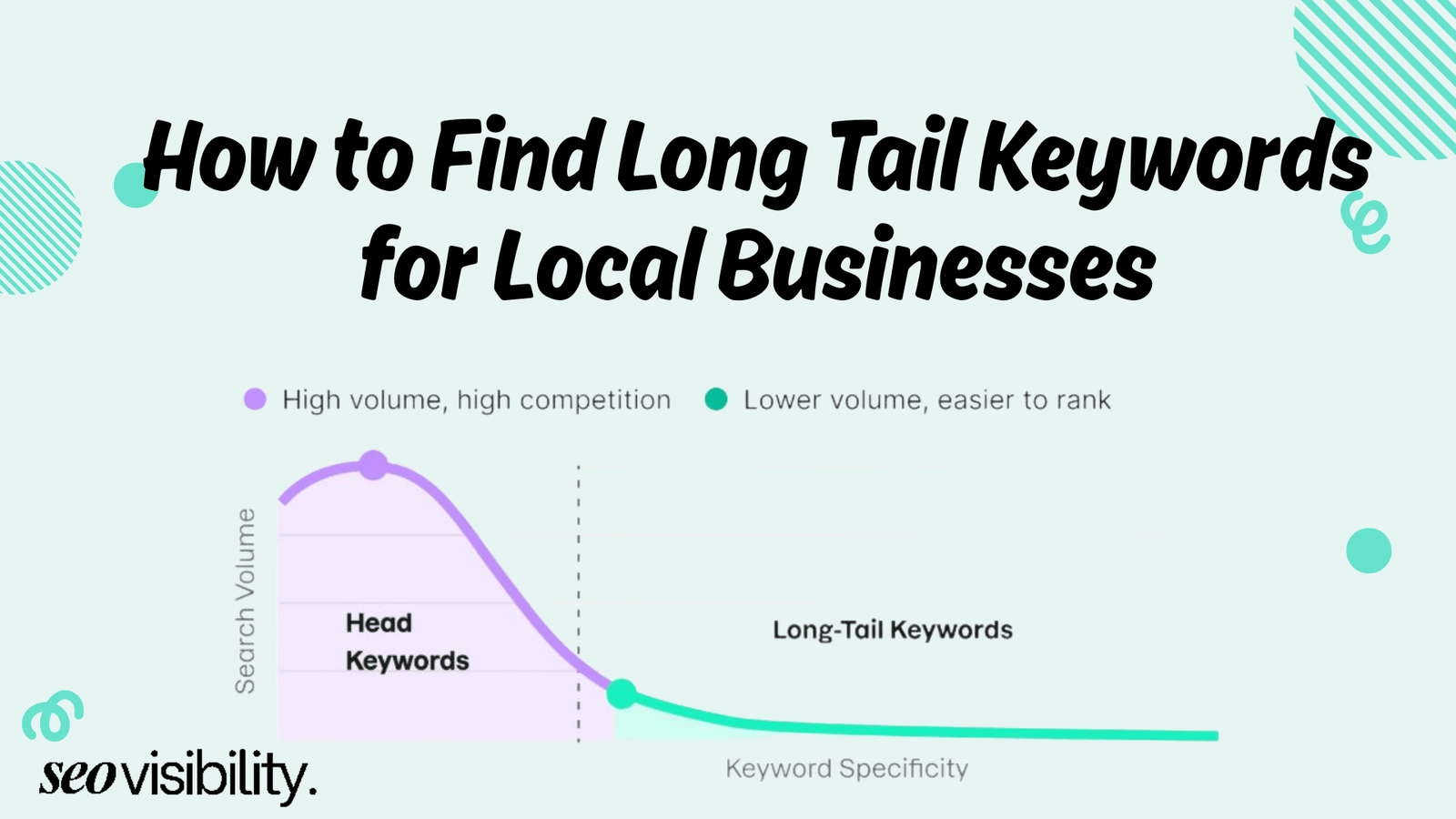
Good local content helps you rank for more long-tail searches like “cost of roof repair in Denver” or “best time to service AC in Houston summer.” These queries often come from people who are actively considering a purchase.
Here are some simple content ideas for local service businesses.
Create cost guides such as “How Much Does Drain Cleaning Cost in Phoenix.” Break down price ranges, factors that influence cost, and when customers should call a professional.
Write local checklists like “Spring HVAC Maintenance Checklist for Dallas Homeowners” or “Winter Plumbing Checklist for Chicago Apartments.” These posts earn shares and build trust.
Publish case studies or project spotlights. Show before and after photos, explain the problem, describe your solution, and mention the neighborhood or area where the job took place.
Add FAQ pages or sections that answer local-specific questions such as permit requirements, local codes, or common issues related to your climate.
When you publish new content, share it through your Google Business Profile posts, email list, and social channels. This multiplies its reach and increases the chances of earning local links and brand mentions.
9. Track And Improve Your Local SEO Performance
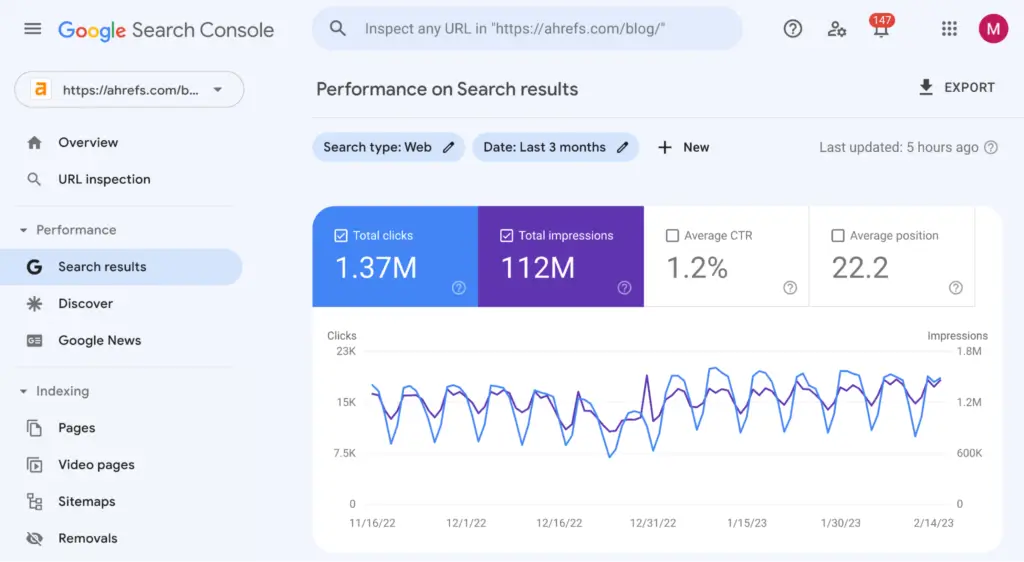
Local SEO works best when you treat it like an ongoing process instead of a one-time project. To know what is working, you need to track results and adjust over time.
Start with Google Search Console. It shows you which queries bring users to your site, how many impressions and clicks you get, and how each page performs in search over time.
Use Google Business Profile Insights to see how many calls, direction requests, and website visits come from your profile. You can also see which searches trigger your listing most often.
Add UTM parameters to your website link in your Google Business Profile description or website field. This helps you see GBP traffic and leads clearly in Google Analytics as a separate source.
Consider using a rank tracking tool that focuses on local search. These tools monitor your rankings in the map pack and organic results for specific keywords in specific cities.
Track calls and form submissions as well, especially if you want to measure leads instead of just traffic. A simple call tracking number for your Google Business Profile can show how many calls come directly from local search.
Use this data to refine your strategy. If your map pack visibility drops, check your reviews, categories, and new competitors. If a service area page is not converting, improve its copy, add trust signals, or adjust the call to action.
Turn These Local SEO Strategies Into Qualified Leads with Khalid Hussain
You now have a complete roadmap of 9 proven local SEO strategies that bring qualified leads. When you optimize your Google Business Profile, keep your NAP consistent, build reviews, create service area pages, earn local backlinks, implement schema, improve on-page SEO, publish local content, and measure your results, you build a system that works for you every day.
Many of your competitors still rely only on paid ads, which means you can win the map pack and organic spots by doing the basics well and consistently.
If you want a trusted partner to handle this for you, at SEO Visibility, Khalid Hussain is a freelance local SEO expert and remote SEO partner who has helped 999+ local businesses increase their leads with tailored local SEO campaigns.
With 15+ years of experience in local lead generation, Khalid knows how to turn local search visibility into real calls, bookings, and revenue for small and mid-sized service businesses.
Visit SEO Visibility and request a free local SEO consultation. Together, we can build a clear local SEO strategy that gets your business into the map pack and in front of the customers who are ready to hire you today.
FAQs About Local SEO For Leads
Some quick wins like completing your Google Business Profile and fixing NAP issues can bring more visibility within a few weeks. Stronger results from content and link building usually arrive over three to six months, depending on your market’s competition.
You can appear in the map pack without a website, but a well-optimized site dramatically improves your ability to rank for more keywords, build authority, and convert visitors into leads.
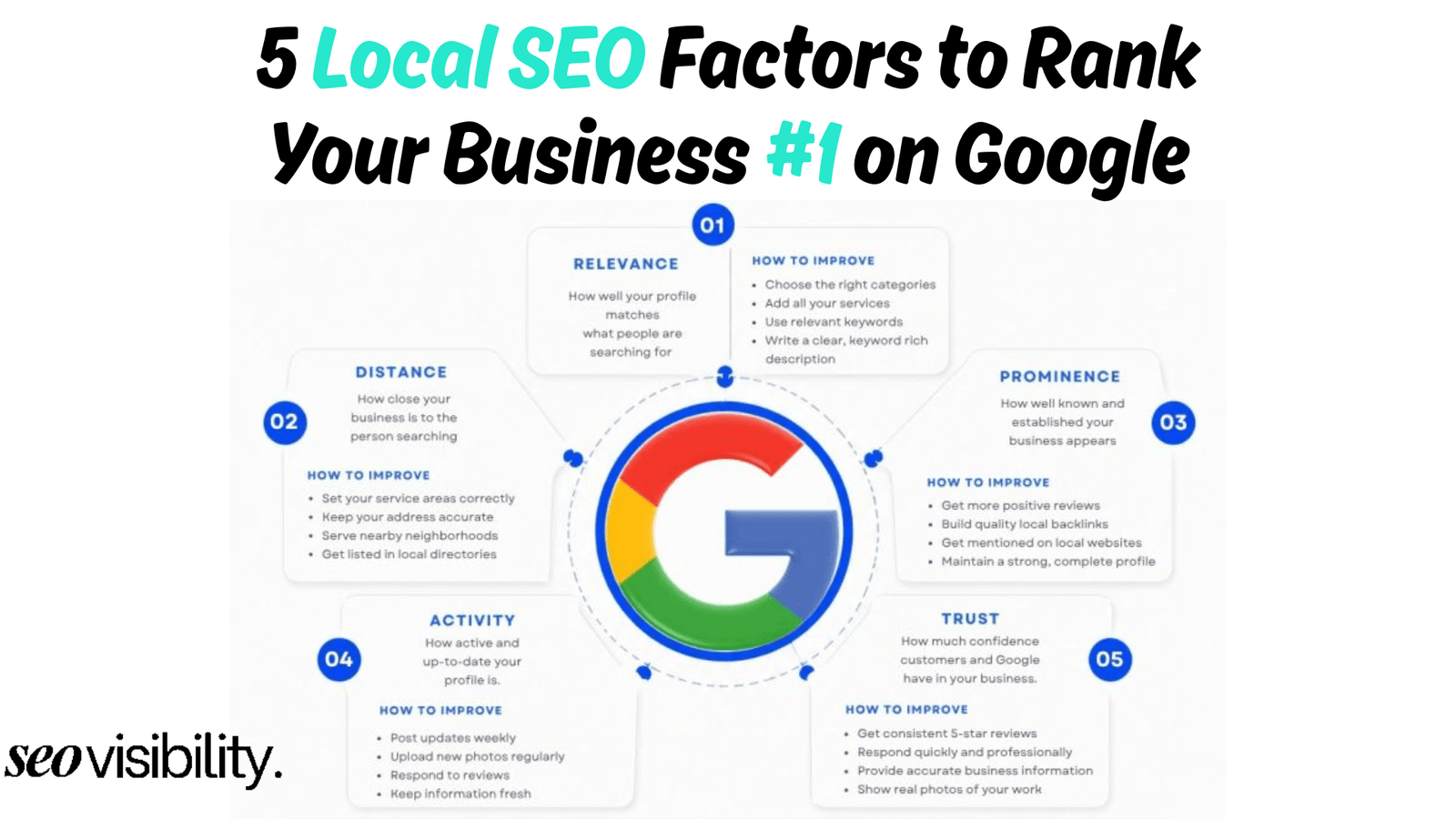
Google looks at relevance, distance, and prominence. You cannot change where the searcher is, but you can improve relevance with categories and content, and improve prominence with reviews, citations, and backlinks.
Yes, local SEO is still one of the most reliable ways to drive qualified leads. AI and new features often pull data from Google Business Profiles, websites, and structured data, so strong local SEO makes you more visible across these experiences as well.


![How Much Does an SEO Expert Cost in 2026 [SEO Pricing]](https://seovisibility.co/wp-content/uploads/2026/01/how-much-does-an-seo-expert-cost.png)


![SEO Copywriting Checklist [Easy to Follow Guidelines]](https://seovisibility.co/wp-content/uploads/2026/01/seo-copywriting-checklist.png)