Most website owners know they need SEO. But doing it yourself? That takes up 15 to 20 hours a week that you could spend on growing your business.
That is exactly why more businesses are turning to an SEO virtual assistant to handle the heavy lifting. Instead of hiring a full-time in-house specialist (which costs $70,000+ per year), you get a dedicated remote professional who manages day-to-day SEO related tasks, including keyword research, on-page optimization, link building, and SEO reporting at a fraction of the cost.
And the demand is real. The global virtual assistant market is on track to hit $44.25 billion by 2027, growing at a 20.3% annual rate. A big part of that growth comes from specialized roles like SEO VAs, where businesses need consistent, skilled execution without the overhead of a full-time hire.
In this guide, I will break down what an SEO virtual assistant actually does, the skills they need, how they can benefit your business, and exactly how to hire the right one.
What is an SEO Virtual Assistant?
An SEO virtual assistant (SEO VA) is a remote professional who specializes in search engine optimization tasks. Their job is to perform day-to-day SEO related tasks to improve your website’s visibility on Google and other search engines so you attract more organic traffic, leads, and sales, while you focus on strategy and growing your business.
They understand how search engines rank pages, which keywords drive traffic, and what technical fixes improve your site’s performance.
And unlike an SEO consultant or freelancer who typically provides strategy and audits on a project basis, an SEO virtual assistant works with you on an ongoing basis to actually implement the work. They are the hands-on executor who turns SEO plans into action.
Here is a quick breakdown of the differences:
| Role | Focus | Work Style | Best For |
|---|---|---|---|
| General Virtual Assistant | Admin tasks, scheduling, and email | Broad, multi-tasking | Business owners needing admin help |
| SEO Virtual Assistant | Keyword research, optimization, link building, reporting | Specialized, execution-focused | Businesses needing consistent SEO work |
| SEO Freelancer/Consultant | Audits, strategy, high-level planning | Project-based, advisory | Businesses needing strategic direction |
| In-House SEO Specialist | Full SEO ownership | Full-time, embedded in team | Large companies with big SEO budgets |
Why SEO Virtual Assistants are Important in 2026
SEO is not a one-time task. It is an ongoing process that requires consistent effort week after week. And that is exactly where most businesses struggle.
You know you need fresh content. You know your meta tags need updating. You know your competitors are building backlinks. But between running operations, managing clients, and handling everything else on your plate, SEO tasks keep getting pushed to the bottom of the list.
Here is what happens when SEO falls behind:
- Your rankings drop because competitors keep optimizing while you stand still
- Organic traffic declines, and you become more dependent on paid ads
- Technical issues quietly hurt your site’s performance
- Content gets outdated, and Google stops seeing your site as a fresh, relevant resource
An SEO virtual assistant solves these problems by giving you dedicated, consistent support. They show up every day (or every week) and handle the work that keeps your SEO moving forward in 2026.
An SEO VA handles the repetitive optimization tasks so your senior team can focus on strategy and client relationships.
SEO Virtual Assistant Roles
An SEO virtual assistant has multiple roles, but their core role is to handle the ongoing SEO tasks that keep your website up and running higher in search results.
The specific tasks depend on your business needs, but the role generally falls into these core areas:
Keyword Research and Analysis — Finding the right keywords your target audience is searching for, analyzing search intent, evaluating keyword difficulty, and identifying content opportunities your competitors are missing.
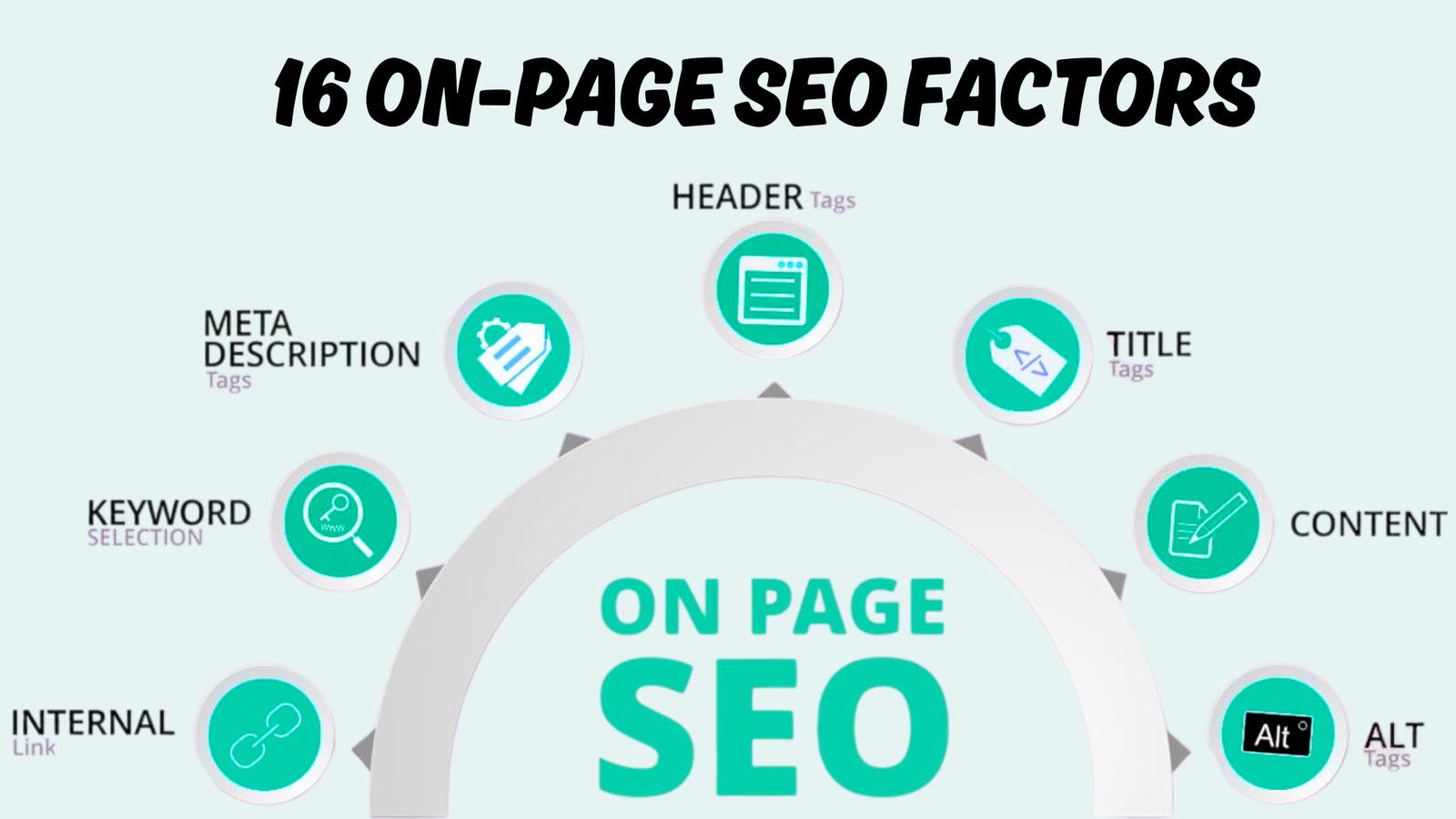
On-Page SEO — Optimizing individual pages for search engines. This covers title tags, meta descriptions, headers, URL structure, internal linking, image optimization, and keyword placement.
Content Support — Uploading, formatting, and optimizing blog posts and landing pages. Some SEO VAs also write content briefs, update outdated articles, and manage content calendars.
Link Building and Outreach — Finding link prospects, managing outreach campaigns, tracking guest post opportunities, and monitoring your backlink profile.
Technical SEO Fixes — Checking for crawl errors, broken links, page speed issues, mobile usability problems, and indexing gaps. They may not fix complex technical issues themselves, but they identify and flag them.
Reporting and Analytics — Pulling data from Google Analytics, Search Console, and SEO tools to create regular performance reports that show what is working and where adjustments are needed.
The depth of their role depends on their experience level. A junior SEO VA might focus mainly on data entry, basic keyword research, and content uploads.
A senior SEO VA can handle strategy implementation, complex audits, and independent decision-making on optimization priorities.
SEO Virtual Assistant Skills
Not every virtual assistant can handle SEO work. It requires a specific skill set that goes beyond basic admin abilities. Here are the skills that separate a good SEO virtual assistant from a great one.
Understand How Search Engines Work
At the most basic level, your SEO VA needs to understand how search engines work. That means knowing how Google crawls, indexes, and ranks pages. They should understand concepts like search intent, domain authority, page authority, and how ranking factors interact with each other.
If they cannot explain the difference between informational and transactional search intent in simple terms, they probably are not ready for the role.
Keyword Research
Keyword research is the foundation of everything in SEO. A skilled virtual SEO assistant knows how to find keywords that match your audience’s search behavior, evaluate competition levels, and group keywords into clusters that support your content strategy.
They should be comfortable using tools like Ahrefs, SEMrush, Google Keyword Planner, or Ubersuggest to pull keyword data, analyze SERP features, and identify gaps your competitors are ranking for that you are not.
On-Page Optimization
Your VA should know how to optimize title tags, meta descriptions, headers, URL structures, image alt text, and internal links. They need to understand that on-page SEO is about making each page clear, relevant, and easy for both users and search engines to understand.
This is a non-negotiable skill. On-page optimization is the most consistent part of an SEO VA’s daily work.
Content Optimization
Beyond basic on-page elements, a strong SEO virtual assistant can evaluate content quality, identify thin or duplicate content issues, and recommend improvements based on what is currently ranking. They understand how to optimize content for featured snippets, People Also Ask boxes, and AI overviews.
Technical SEO Expertise
While they may not need to be a full-stack developer, your SEO VA should understand the basics of technical SEO. That includes site speed, mobile-friendliness, crawlability, indexation, structured data, and Core Web Vitals.
Tools like Screaming Frog, Google Search Console, and Google PageSpeed Insights should be in their toolkit.
Analytics and Reporting
Data drives SEO decisions. Your VA should be comfortable pulling reports from Google Analytics, Google Search Console, and third-party SEO tools. More importantly, they should know how to interpret that data and translate it into clear, actionable insights.
A good SEO VA does not just send you a spreadsheet full of numbers. They tell you what those numbers mean and what to do about them.
Familiarity with AI-Powered SEO Tools
In 2026, SEO virtual assistants who understand AI tools have a clear edge. Tools like Surfer SEO, Clearscope, Frase, and ChatGPT-based content tools are now part of everyday SEO workflows.
Your VA should know how to use them to create better content briefs, optimize existing content, and speed up research without sacrificing quality.
Communication and Organization
SEO work involves a lot of moving parts. Your VA needs to communicate clearly, meet deadlines, and keep tasks organized. Whether they use Trello, Asana, ClickUp, or simple spreadsheets, they should have a system for tracking progress and keeping you updated without you needing to chase them.
Adaptability to Align with Algorithm Changes
Google rolls out thousands of algorithm updates every year, including several major core updates. A reliable SEO VA stays current with these changes and adjusts their approach accordingly. They do not keep doing the same thing after the rules change.
SEO Virtual Assistant Responsibilities
While the skills section covered what they need to know, this section focuses on what they actually do. Here is a detailed look at the day-to-day responsibilities of an SEO virtual assistant.
Keyword Research and Competitor Analysis
- Identify primary, secondary, and long-tail keywords for new content
- Analyze competitor websites to find keyword gaps and content opportunities
- Map keywords to specific pages and content topics
- Track keyword rankings weekly or monthly and report changes
- Research trending topics in your niche for content planning
On-Page SEO Optimization
- Write and optimize title tags and meta descriptions for all pages
- Structure headings (H1 through H6) for clarity and keyword relevance
- Optimize URL slugs to be short, descriptive, and keyword-rich
- Add and update internal links to strengthen site architecture
- Optimize images with proper file names, compression, and alt text
- Review and improve content readability and keyword placement
Content Management and Optimization
- Upload and format blog posts, articles, and landing pages in your CMS (WordPress, Shopify, Webflow, etc.)
- Update outdated content to keep it accurate and competitive
- Create content briefs for writers based on keyword research and SERP analysis
- Manage the editorial calendar and publishing schedule
- Optimize existing content for featured snippets and AI overview visibility
Link Building and Outreach
- Research and build lists of relevant outreach prospects
- Send personalized outreach emails for guest posting and link opportunities
- Track outreach responses and manage follow-ups
- Monitor your backlink profile for toxic or lost links
- Find broken link building and resource page link opportunities
Technical SEO Fixes
- Run regular site crawls using tools like Screaming Frog
- Identify and report crawl errors, broken links, and redirect issues
- Monitor Core Web Vitals (LCP, INP, CLS) and page speed performance
- Check mobile usability and indexing status in Google Search Console
- Verify proper implementation of schema markup and structured data
Local SEO
- Optimize and manage Google Business Profile
- Ensure NAP (Name, Address, Phone) consistency across directories
- Monitor and respond to customer reviews
- Build local citations on relevant directories
- Create location-specific content to target local search queries
Reporting and Communication
- Prepare weekly or monthly SEO performance reports
- Track and report on organic traffic, keyword rankings, and conversions
- Highlight wins, flag issues, and recommend next steps
- Attend regular check-in calls or meetings to discuss progress
- Document all changes made to the website for accountability
Benefits of Hiring an SEO Virtual Assistant
If you are still on the fence about whether an SEO virtual assistant is the right investment, here are the concrete benefits that make the decision easier.
Cost Savings
This is the biggest draw for most businesses. In the US, a full-time in-house SEO specialist earns an average salary of $65,000 to $85,000 per year. Add benefits, office space, equipment, and payroll taxes, and you are looking at $80,000 to $110,000 annually.
An SEO virtual assistant, depending on their experience and location, typically costs between $800 and $2,500 per month for full-time work. Even at the high end, that is roughly $30,000 per year compared to six figures for an in-house hire.
Businesses save an average of 78% on staffing costs by hiring virtual assistants, according to industry data. That is money you can reinvest into content creation, link-building campaigns, or other growth areas.
Ongoing SEO Implementation
SEO rewards consistency. Google wants to see regular content updates, fresh backlinks, and ongoing technical improvements. When you handle SEO yourself or assign it to an already-busy team member, it becomes the first thing that gets dropped when things get hectic.
A dedicated SEO VA ensures the work keeps moving forward regardless of what else is happening in your business. That consistency is what turns SEO from a sporadic effort into a compounding growth engine.
Free Up Your Time for High-Value Work
As a business owner or marketing manager, your time is better spent on strategy, client relationships, and revenue-generating activities. Spending hours updating meta descriptions or building spreadsheets of outreach targets is not the best use of your expertise.
Virtual assistant SEO services let you delegate the execution work so you can focus on decisions that actually move the needle.
Access to Specialized Expertise
A good SEO virtual assistant brings focused, specialized knowledge to the table. They work in SEO every single day, which means they stay current with algorithm updates, new tools, and evolving best practices.
This is different from a general marketing hire who might know a little SEO alongside social media, email marketing, and a dozen other tasks. Specialization matters in SEO because the details make the difference between page one and page five.
Scalability and Flexibility
Need 20 hours of SEO work per week right now, but might need 40 hours next quarter? An SEO VA scales with your needs. You are not locked into a full-time salary when your workload fluctuates.
For agencies, this is especially powerful. You can hire SEO virtual assistants to handle client work during busy seasons and scale down when things slow without the complications of hiring and firing full-time employees.
Faster Results Through Dedicated Focus
When SEO tasks are spread across multiple people or squeezed into random time slots, progress is slow. An SEO VA whose entire job is optimization will execute faster and more efficiently than someone juggling five other responsibilities.
That focused execution means faster keyword research turnarounds, quicker content optimization cycles, and more consistent link-building output, all of which accelerate your timeline to results.
Measurable ROI
SEO is one of the most trackable marketing investments you can make. Your VA will provide regular reports showing exactly how organic traffic, rankings, and conversions are trending. You can directly measure the return you are getting on their work.
With the median ROI from SEO campaigns sitting at 748% and organic search driving 53% of all website traffic, the math usually works out clearly in your favor.
How to Hire the Right SEO Virtual Assistant
Hiring the wrong SEO VA is worse than not hiring one at all. A bad hire wastes your money, damages your rankings, and costs you months of lost progress. Here is a step-by-step process to find the right person.
Step 1: Define Your SEO Goals First
Before you start looking at candidates, get clear on what you actually need help with. Ask yourself:
- Which SEO tasks are eating up most of my time?
- Do I need help with keyword research, on-page optimization, content, link building, technical SEO, or all of the above?
- How many hours per week of SEO work do I have?
- Do I have an existing SEO strategy they need to execute, or do I need someone who can create one?
Write down your top 5 to 10 tasks so you can clearly communicate expectations during the hiring process. The more specific you are, the better candidates you will attract.
Step 2: Know Where to Find Candidates
You have several options for finding SEO virtual assistants:
Freelance platforms — Upwork and Fiverr are popular choices. You will find a wide range of experience levels and pricing. The advantage is direct access and flexibility. The downside is you need to do your own vetting.
VA agencies — Companies like Remote Raven, BruntWork, and Ataraxis specialize in matching businesses with pre-vetted virtual assistants. They handle screening and often provide replacements if things do not work out. Expect to pay a premium for this convenience.
SEO communities and job boards — Post in SEO-focused communities, LinkedIn groups, or specialized job boards. This often attracts candidates who are genuinely passionate about SEO rather than generalists looking for any VA work.
Referrals — Ask your network. Other business owners, agency friends, or SEO colleagues may have recommendations based on their own experience.
Step 3: Search for the Right Skills
When reviewing candidates, look for these specific indicators:
Portfolio or case studies — Can they show real examples of SEO work they have done? Look for improvements in keyword rankings, traffic growth, or specific optimization projects they managed.
Tool proficiency — Ask which SEO tools they use regularly. You want to hear names like Ahrefs, SEMrush, Screaming Frog, Google Search Console, Surfer SEO, and Google Analytics. If they cannot name specific tools, that is a red flag.
Understanding of current SEO — Ask about recent Google algorithm updates, how they approach search intent, or what they think about AI-generated content in SEO. Their answers will tell you how current their knowledge is.
Communication quality — Pay attention to how clearly they explain their process in writing and on calls. Clear communication is essential for a remote working relationship.
Step 4: Ask the Right Interview Questions
Go beyond generic questions. Here are examples that reveal real competency:
- “Walk me through how you would do keyword research for a new blog post in my niche.”
- “If you noticed a 20% drop in organic traffic over two weeks, what steps would you take to diagnose the problem?”
- “How do you decide which pages on a website to optimize first?”
- “What is your process for writing a title tag and meta description that improves click-through rates?”
- “Can you show me a report you have created for a previous client?”
The quality of their answers will tell you more than any resume or certification.
Step 5: Start with a Paid Trial
Never commit to a long-term arrangement without testing first. A one-to-two-week paid trial project is the most reliable way to evaluate an SEO virtual assistant.
Give them a real task from your actual workflow. Something like:
- Perform keyword research for 5 blog topics in your niche
- Audit and optimize the on-page SEO for 3 existing pages
- Create a backlink outreach list of 20 relevant prospects
- Pull an SEO performance report for the past 3 months
Evaluate the quality of their work, their communication during the process, and whether they met the deadline. This tells you more than any interview ever could.
Step 6: Set Clear Expectations and SOPs
Once you hire your SEO VA, set them up for success with:
- Documented SOPs — Create step-by-step guides for your most common SEO tasks. This reduces confusion and ensures consistent quality.
- Clear KPIs — Define what success looks like. Is it a certain number of pages optimized per week? A target number of outreach emails sent? Specific keyword ranking goals?
- Communication cadence — Agree on how often you will check in (daily Slack updates, weekly calls, monthly reports) and which tools you will use.
- Access and tools — Provide access to your SEO tools, CMS, Google accounts, and any brand guidelines they need.
Things to Avoid When Hiring SEO VAs
Watch out for these things when hiring SEO virtual assistants:
- Guarantees of specific rankings — No one can guarantee a #1 ranking. Anyone who promises this does not understand how SEO works or is being dishonest.
- Black-hat tactics — If they mention buying links, using private blog networks, keyword stuffing, or any shortcut strategy, walk away. These tactics risk Google penalties that can destroy your organic traffic.
- Lack of reporting — If they cannot or will not provide regular reports on their work and results, you have no way to measure their value.
- No questions about your business — A good SEO VA asks about your target audience, competitors, goals, and existing strategy. If they just say “send me access and I will start,” they are probably applying a one-size-fits-all approach.
- Unrealistically low pricing — You get what you pay for. An SEO VA charging $2 to $3 per hour likely lacks the skills to handle meaningful optimization work.


![How Much Does an SEO Expert Cost in 2026 [SEO Pricing]](https://seovisibility.co/wp-content/uploads/2026/01/how-much-does-an-seo-expert-cost.png)