You’re running a small business, your marketing budget is tight, and someone’s telling you to invest in SEO. Meanwhile, you’re watching AI-generated answers take over Google’s front page and reading headlines about “zero-click searches.” It’s natural to wonder: is any of this still worth my time and money?
Here’s the straight answer: Yes, SEO is absolutely still worth it for small businesses in 2026. But the rules have changed, and the businesses winning right now are the ones who know exactly how to play the new game.
Let’s get into it!
The Honest State of Search in 2026
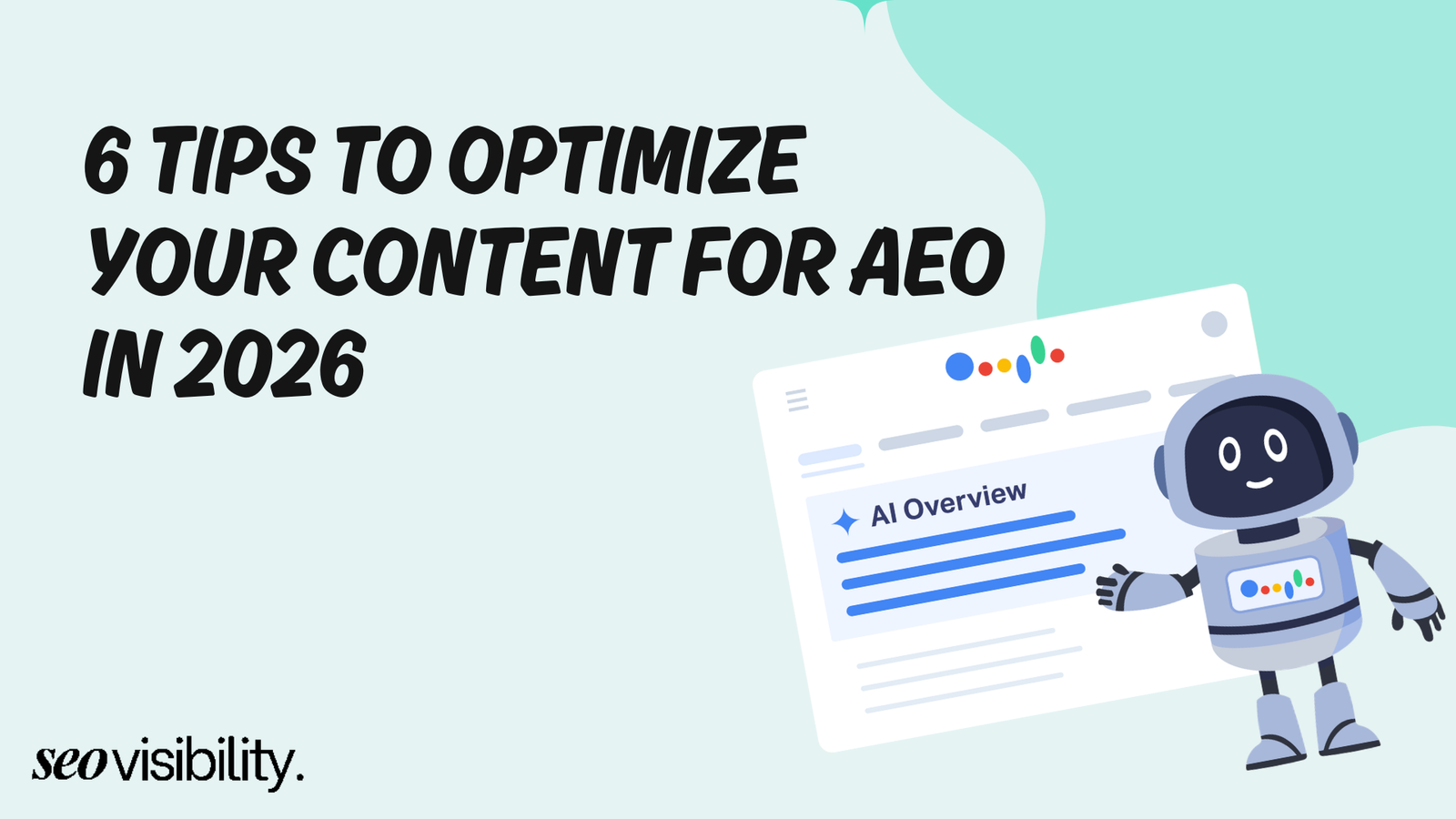
Search looks different today than it did even two years ago. Google’s AI Overviews now appear on roughly 15% of all searches, climbing to nearly 30% for informational queries. On top of that, around 60% of all Google searches now end without a single click to any website — a stat that understandably worries small business owners.
But here’s what those headline numbers miss: organic search still drives more than 53% of all trackable website traffic across industries. People haven’t stopped searching. They’ve just changed how they search — and that creates a specific opportunity for small businesses that know how to show up in the right places.
The businesses feeling the most pain right now are those that built their entire strategy around getting clicks from generic, informational keywords. If your only goal was “rank for a broad term and get traffic,” that model is under real pressure. But if your goal is to get found by people ready to call you, visit your store, or book your service, local SEO is as powerful as it’s ever been.
Why SEO Is Important for Small Businesses in 2026
Let’s talk about what SEO actually does for a small business in the current landscape. This isn’t theory — it’s what’s working right now.
1. It puts you in front of people who are already looking for your products and services
When someone types “emergency plumber in Austin” or “best Italian restaurant near me,” they’re not browsing — they’re ready to act. These are high-intent searches, and SEO is the tool that makes sure your business shows up in that moment. Paid ads can do the same thing, but the moment you stop paying, you disappear. SEO builds a presence that keeps working.
2. Local SEO is a small business superpower
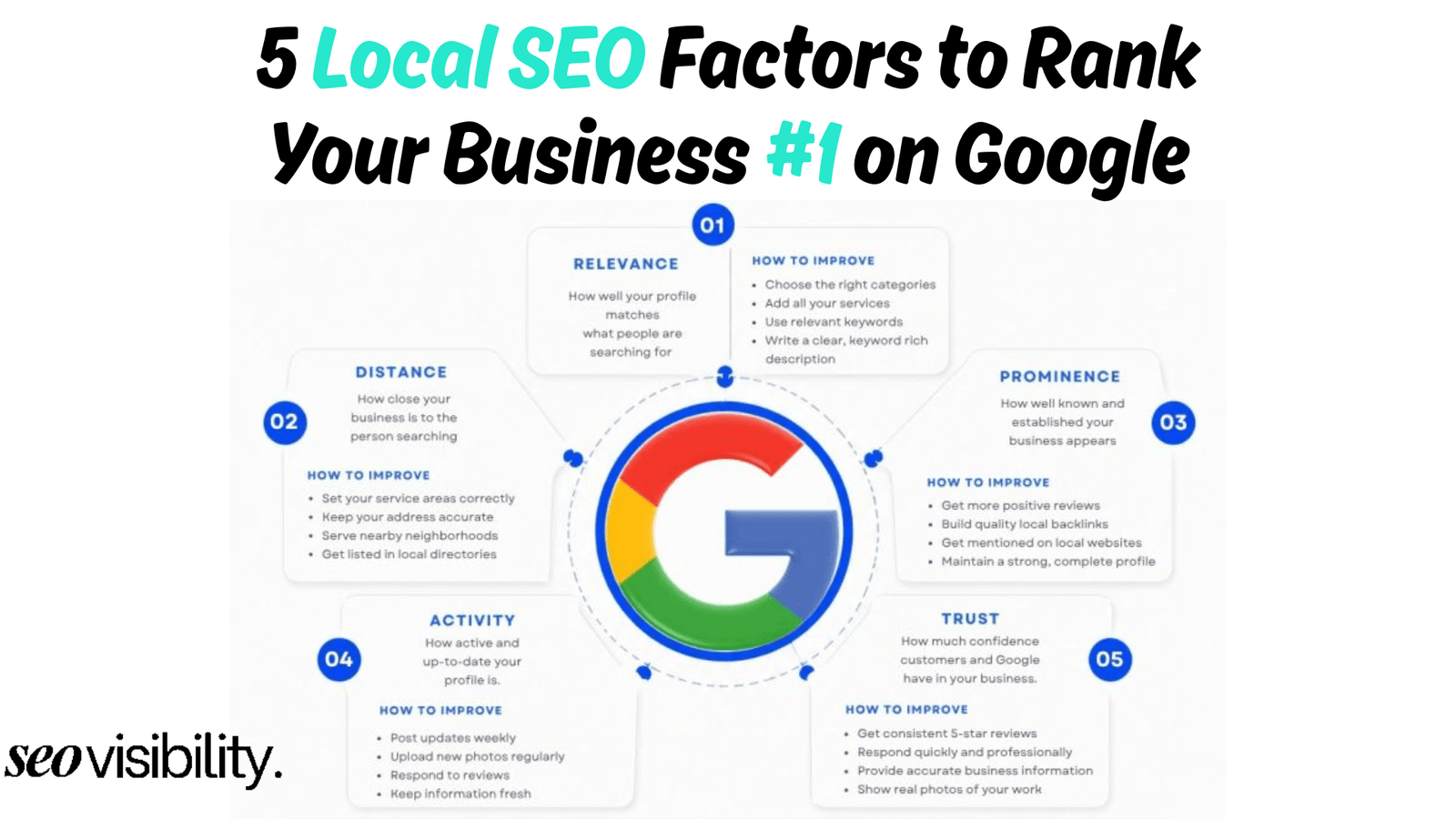
This is the part most people underestimate. About 46% of all Google searches have local intent, and 72% of consumers who perform a local search visit a store within five miles. A staggering 76% of people who search for something nearby visit a business within a day. That’s not website traffic — that’s foot traffic, phone calls, and real revenue.
Small businesses have a genuine edge in local search. A large national chain can outspend you on paid ads all day long, but when someone searches “best coffee shop in [your town],” you can outrank them with the right local SEO strategy. You know the neighborhood. You have the reviews. You have the local connections. That’s exactly what Google rewards.
3. The ROI beats almost every other marketing channel
The numbers here are hard to argue with. Small businesses investing in SEO see an average ROI of 400% within two years. One industry analysis found SEO delivers an average 748% return on investment, compared to just 200% for paid advertising. Another real-world study comparing SEO vs. paid ads in the trades showed SEO delivered nearly 5x better return on ad spend, at a fraction of the cost per paying customer.
And unlike paid ads — where you’re essentially renting traffic — SEO is more like owning a storefront. Every piece of content you rank for, every local citation you build, every review you earn is an asset that keeps compounding. A blog post written today might still be generating leads three years from now.
4. SEO converts better than paid traffic
This often surprises people. On average, organic search results convert at 2–3%, while paid ads typically convert at 1–2%. The reason is simple: someone who found you organically was actively looking for what you offer and chose to click on your result. That intent is stronger. The lead quality is higher.
In SEO, every page you rank, every citation you build, and every review you earn is an asset that accumulates value. Month one looks slow. Month six looks promising. Month twelve looks like a real business channel. Year two and beyond is where you look back and realize you made one of the best marketing investments of the year.
The realistic SEO timeline for a small business looks like this:
- Months 1–3: Technical fixes, on-page optimization, Google Business Profile setup. No dramatic traffic shifts, but the foundation is in place.
- Months 3–6: Rankings begin to move on low-competition local and niche keywords. Early organic traffic increases start showing up in Search Console.
- Months 6–12: Consistent ranking improvements. Lead volume picks up. Cost per lead from organic starts dropping below what you’re paying per click.
- Year 2+: Compounding returns. Authority builds. Competitors who started later are playing catch-up.
The businesses that quit at month four because “it’s not working yet” never see the payoff that was three months away.
Does SEO Work for Small Businesses?
If you’re looking for proof, here it is. A survey of 300+ small businesses in 2026 found that 72% said their SEO performance was either “very effective” or “somewhat effective” — even while acknowledging that algorithm changes had affected some of their traffic.
The global SEO services market is on track to hit $83.98 billion in 2026, projected to reach $148.86 billion by 2030. Businesses don’t keep spending on something that doesn’t work.
More practically, local SEO adoption among small businesses rose to 71% in 2026. But here’s the competitive gap that makes this interesting — businesses that have invested in local SEO for three or more consecutive years generate 2.7 times more local organic traffic than first-year adopters. If you haven’t started yet, you’re already giving your competitors a head start.
The businesses struggling with SEO in 2026 usually fall into one of two categories: they either quit too soon (before results had time to build), or they invested in low-quality, shortcuts-based SEO that Google has gotten much better at ignoring. Neither of those is an argument against SEO — they’re arguments against doing SEO the wrong way.
What’s Actually Changed (And What Hasn’t)
Let’s be honest about the parts of SEO that have genuinely gotten harder.
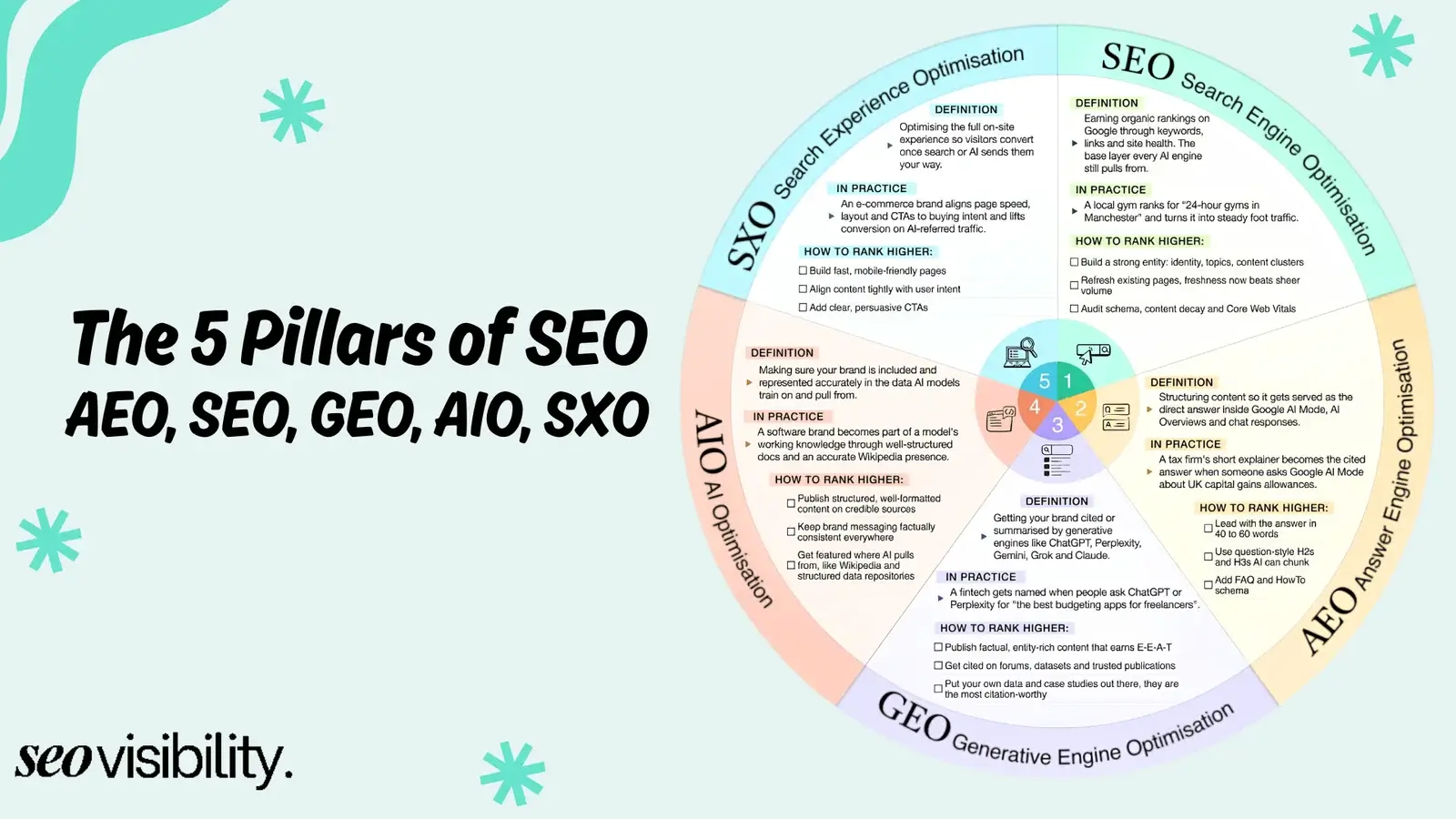
AI Overviews are real, and they do reduce some clicks. For informational searches — “what is,” “how does,” “why does” — Google increasingly answers the question before anyone reaches your site. If your content strategy was built entirely around these types of queries, you’ll need to adjust.
Zero-click searches affect specific query types. Simple factual questions, weather, business hours, basic definitions — these often get answered directly in the SERP now. This is where the 60% zero-click stat comes from. But the fix isn’t to abandon SEO. The fix is to understand which searches still drive clicks and which don’t.
What hasn’t changed: The fundamentals. People still search when they have a problem to solve. They still trust Google to point them toward real businesses. They still read reviews, compare options, and make buying decisions based on what they find online. The goal of SEO — being visible when your ideal customer is searching — hasn’t changed at all. Only the tactics need updating.
How to Make SEO Work for Your Small Business in 2026
The businesses getting the best results from SEO in 2026 are doing a few specific things well.
Optimize your Google Business Profile first. This is the single highest-leverage move for any local business. A complete, optimized GBP listing gets 7x more clicks than an incomplete one. It’s how you show up in the Local Pack, on Google Maps, and increasingly in AI-generated local results. Make sure your NAP (name, address, phone number) is accurate, your business categories are set correctly, you have real photos, and you’re actively gathering reviews.
Create content with real experience. Google’s E-E-A-T framework — Experience, Expertise, Authoritativeness, and Trustworthiness — is now baked into how the algorithm evaluates your content. Generic how-to articles written to check a keyword box don’t cut it anymore. What works is content that shows you’ve actually done the thing you’re writing about.
Share real case studies, real client outcomes, and real lessons from your specific industry. Small businesses have a natural advantage here because you’re closer to your customers and your craft than any large agency or content farm.
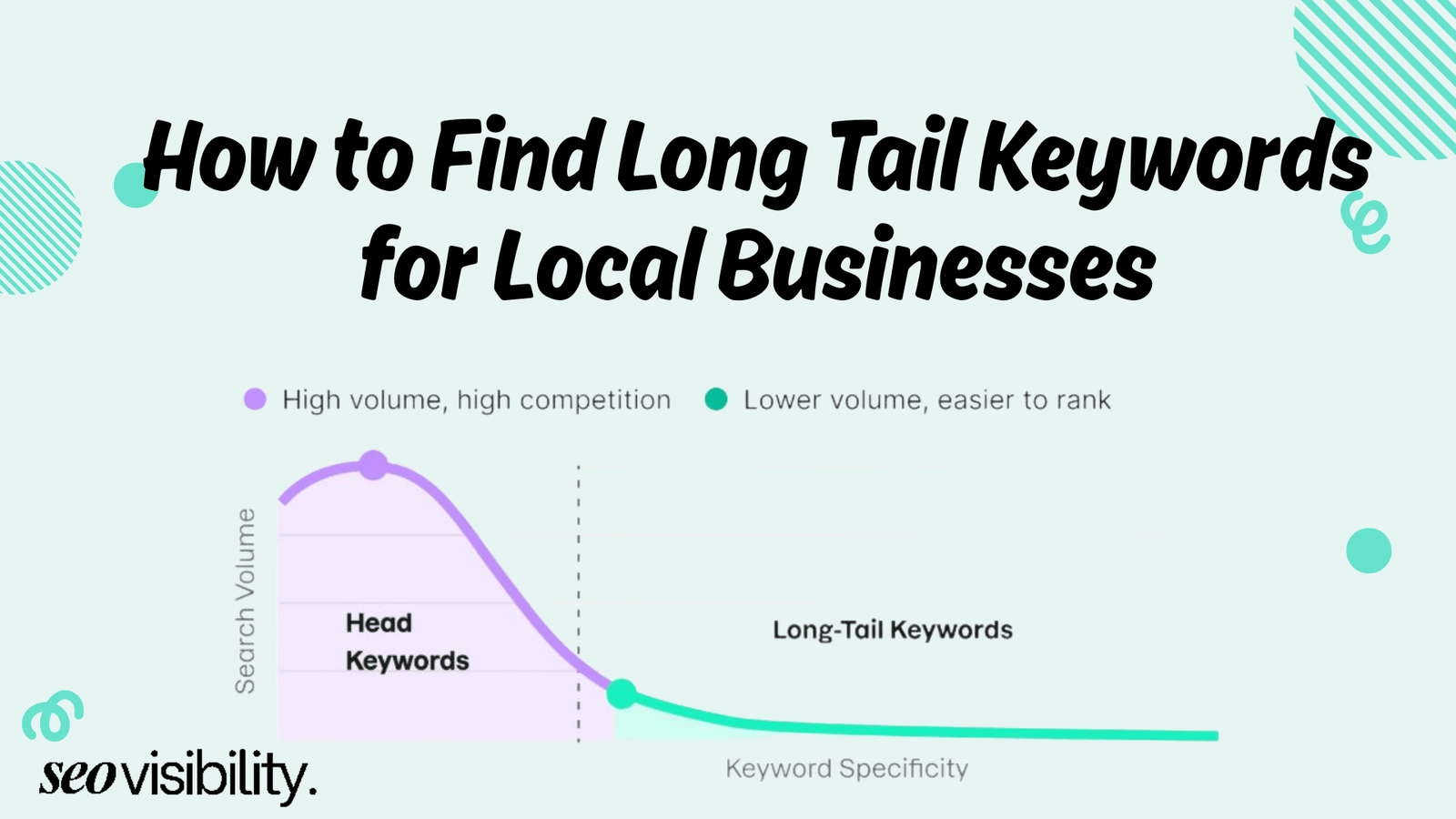
Target keywords with strong buying intent. Not every keyword is equal. “What is plumbing?” gets a lot of searches, but “emergency plumber in Dallas” is the one that makes the phone ring. Focus your SEO efforts on keywords that signal someone is ready to hire, buy, or visit. These are typically more specific, often location-based, and have lower competition than broad informational terms.
Make your website fast and mobile-friendly. Over 60% of all searches now happen on mobile devices. Websites with under two-second load times are significantly more likely to be referenced by AI systems. Core Web Vitals — Google’s measure of real-world page speed and usability — directly affect your rankings. A slow, clunky mobile experience is costing you, customers.
Build your review profile consistently. Reviews are trust signals for both Google and your potential customers. Every ten new reviews increases conversion rates by an average of 2.8%. More importantly, a strong review presence means you’re visible — and convincing — even when users see your listing in a zero-click environment and never actually visit your website.
SEO vs. Paid Ads: Which One is Better?
This is one of the most common questions, and the honest answer is: they serve different purposes.
Paid ads (Google Ads, Facebook, etc.) are great for getting leads immediately. Launch a campaign today, get calls tomorrow. If you’re a new business, running a promotion, or testing a new service, paid ads give you fast feedback. The catch is that it never stops costing you. The moment your budget runs out, the traffic stops. You’re renting visibility, not building it.
SEO takes longer — typically 3–6 months to see meaningful results, and 6–12 months to see strong ROI — but the returns compound over time. A page that ranks well today can keep generating leads for years. Many businesses find that after 12–18 months of consistent SEO work, their cost per lead from organic search is significantly lower than what they’re paying per click in paid campaigns.
Start Building Traffic That Actually Lasts — With Khalid Hussain
So is SEO worth it for a small business in 2026? Without question. But “doing SEO” and “doing SEO that actually drives leads and revenue” are two completely different things. The gap between them is strategy, experience, and knowing what Google rewards right now — not two years ago.
SEO works incredibly well for small businesses — but only when the strategy is built around your specific business, your local market, and what Google actually rewards in 2026. Generic packages, recycled tactics, and offshore link farms won’t move the needle. What moves the needle is experience, precision, and someone who has actually done this — at scale — for businesses just like yours.
Here’s why small businesses choose Khalid over anyone else:
- 15+ years of real SEO experience — Not theory. Not courses. Hands-on work across hundreds of industries, markets, and business sizes, with a proven track record that speaks for itself.
- 999+ businesses helped and counting — From solo local businesses to growing eCommerce stores and marketing agencies, Khalid has built organic growth strategies that actually deliver leads, calls, and revenue — not just rankings.
- No one-size-fits-all approach — Every small business has a different market, a different competitor landscape, and a different customer. Khalid builds strategies around your business specifically, not a template built for someone else.
- Transparent, honest communication — No confusing reports stuffed with vanity metrics. You’ll always know exactly what’s being done, why it’s being done, and what results to expect — and when.
- Up-to-date with how search actually works today — AI Overviews, zero-click searches, Google’s E-E-A-T standards, Core Web Vitals — Khalid works with the current landscape, not the playbook from three years ago.
- Focused on ROI, not just traffic — Traffic that doesn’t convert is just a number. The goal is always qualified leads, real customers, and measurable business growth.
If you’re a small business owner who’s serious about growing online — whether you’re starting from scratch, fixing what’s not working, or scaling what already is. At SEO Visibility, Khalid Hussain is the SEO partner built for exactly that.


![How Much Does an SEO Expert Cost in 2026 [SEO Pricing]](https://seovisibility.co/wp-content/uploads/2026/01/how-much-does-an-seo-expert-cost.png)
![SEO Copywriting Checklist [Easy to Follow Guidelines]](https://seovisibility.co/wp-content/uploads/2026/01/seo-copywriting-checklist.png)