Low-hanging fruit keywords are search terms with low competition and a decent amount of search traffic — the kind of keywords that give you a real shot at ranking without years of authority building or hundreds of backlinks. If you know how to find them, you can grow your organic traffic faster than most sites targeting big, competitive terms.
This guide walks you through exactly how to find low-hanging fruit keywords in 2026 — using both free and paid keyword research tools.
What Are Low-Hanging Fruit Keywords?
Low-hanging fruit keywords are search terms that sit in a sweet spot: they have enough search volume to send you traffic, but the competition is low enough that a new or mid-sized site can realistically rank for them.
Think of them as the “easy wins” of keyword research. While big brands are fighting over head terms like “best running shoes,” there are thousands of specific, longer phrases where the competition is much weaker — and you can walk in and rank.
Here are the three core traits of a true low-hanging fruit keyword:
- Low Keyword Difficulty (KD): Usually under 20–30 on tools like Ahrefs or Semrush, meaning not many strong sites are competing for that exact term
- Meaningful Search Volume: Not viral, but real. Anything from 100 to a few thousand searches per month counts — as long as people are actually searching
- Weak SERP Competition: When you Google the keyword, the top results are forums, low-authority blogs, outdated content, or pages that barely address the topic
Low-hanging fruit keywords aren’t just for new websites. Even established sites use them to pick up quick traffic wins while working toward harder, more competitive terms over the long run.
Why Low-Hanging Fruit Keywords Matter More in 2026
The SEO landscape in 2026 is more crowded than ever. AI-generated content has flooded search results, and Google has gotten better at filtering out generic, thin content. That means the keyword gap between strong and weak competition has actually widened.
Here’s why this matters for you:
- You don’t need many backlinks to rank for low-competition keywords. If the SERP is full of forums or thin pages, a well-written, focused article can take a top spot relatively quickly
- They send targeted traffic. People searching specific, longer queries often know exactly what they want — which means better engagement and conversions
- They build momentum. Ranking for easier terms early builds your site’s topical authority, which eventually helps you compete for harder keywords
- Less risk, faster results. Instead of waiting 6–12 months to see if a competitive keyword pays off, low-hanging fruit keywords can show results in weeks
7 Easy Steps to Find Low-Hanging Fruit Keywords
The 7 steps below walk you through exactly how to do that, from picking your first seed keyword all the way to scoring your final list so you always know which opportunity to go after first.
Step 1: Start With Seed Keywords
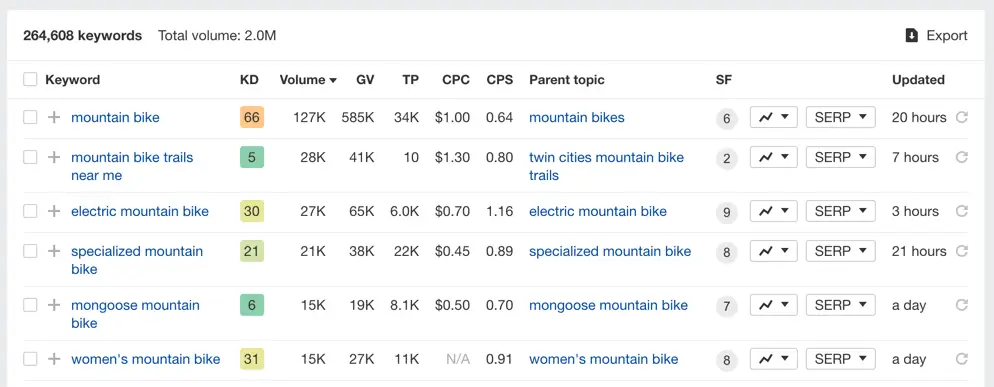
A seed keyword is a broad topic related to your niche. It’s your starting point — not what you’ll target, but what you’ll use to generate ideas.
For example, if your site is about email marketing, your seed keywords might be: email marketing tips, email automation, newsletter strategy.
Keep seeds simple: two to four words, focused on your niche. Generate three to five of them before moving to the next step. Don’t overthink this — seeds are just the door you walk through to find the real opportunities inside.
Step 2: Use “Google AutoSuggest” and “People Also Ask”
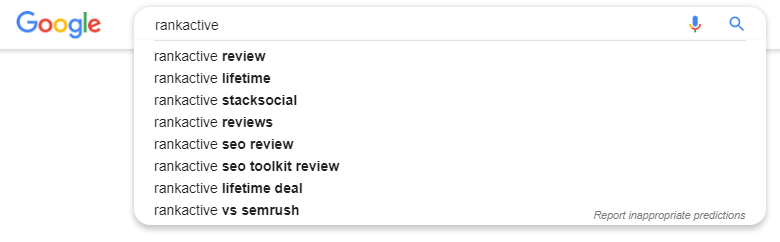
This is one of the most underused free methods for low-hanging fruit keyword research — and it works extremely well in 2026.
Here’s the process:
- Open Google in an incognito window (so your search history doesn’t influence results)
- Type your seed keyword, but don’t hit Enter
- Look at the autocomplete suggestions that drop down — each one is a real search phrase people are typing
- Write down anything that looks specific and question-based
- Hit Enter and scroll to the “People Also Ask” section
- Expand those questions — each one is a keyword opportunity with clear search intent
The reason this works: these suggestions come directly from what real users are searching for. Many of them are specific enough that few websites have created dedicated content around them, which means the door is open for you.
Question-based modifiers like “how to,” “what is,” “best for beginners,” “vs,” and “without [problem]” tend to show the lowest competition because they attract very specific audiences that head terms ignore.
Step 3: Find Google Search Console Keywords
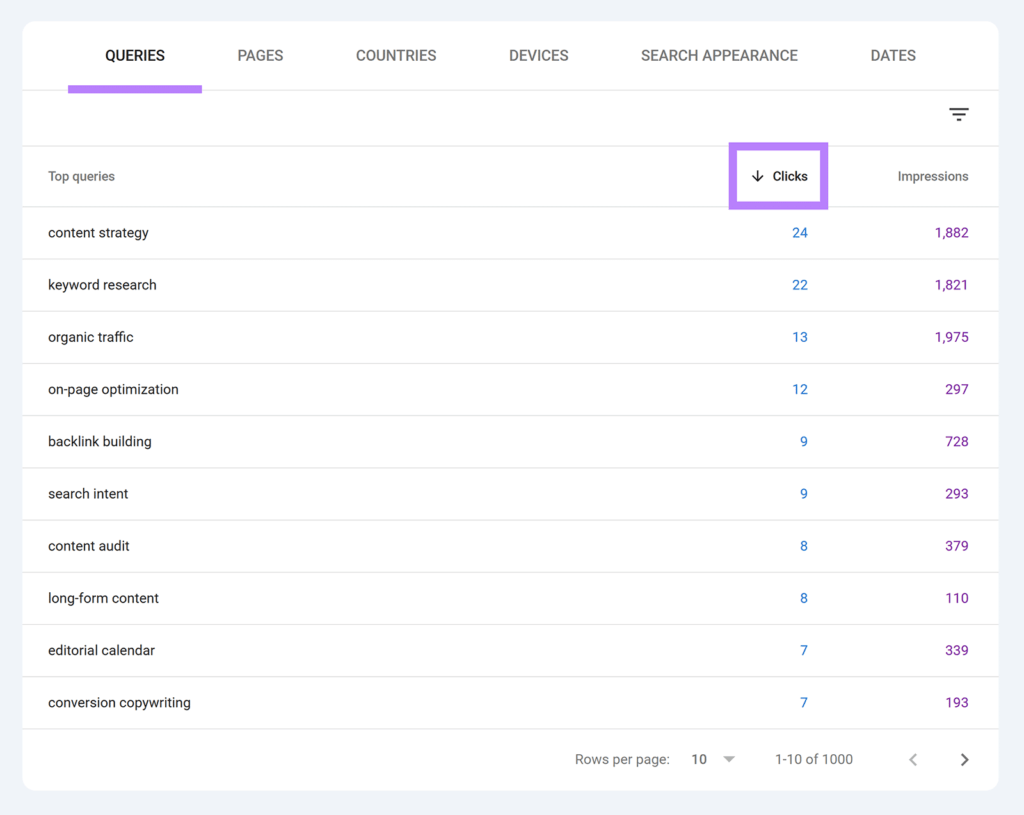
If your site already has pages indexed and getting impressions, this step is a goldmine.
These are called striking distance keywords — search queries where your page is already ranking in positions 5 to 20 but not getting many clicks yet. A small tweak to your content can push them to page 1, where 90% of clicks actually happen.
Here’s how to find them:
- Go to Google Search Console → Search Results report
- Set your date range to the last 90 days
- Enable both Impressions and Average Position columns
- Filter by position: set it to greater than 4 and less than 21
- Sort by Impressions (descending)
Look for keywords with decent impressions but very few clicks — those are your best bets.
Once you find them, go to that page and check: Is the keyword in the title tag? Is it in the H1? Is there a dedicated section answering the user’s question? Often, the fix is simple: add a focused paragraph about that keyword, update the title tag to include it, and strengthen your internal linking to that page. Most ranking improvements from these tweaks show up within two to four weeks.
Step 4: Filter Keywords by Keyword Difficulty
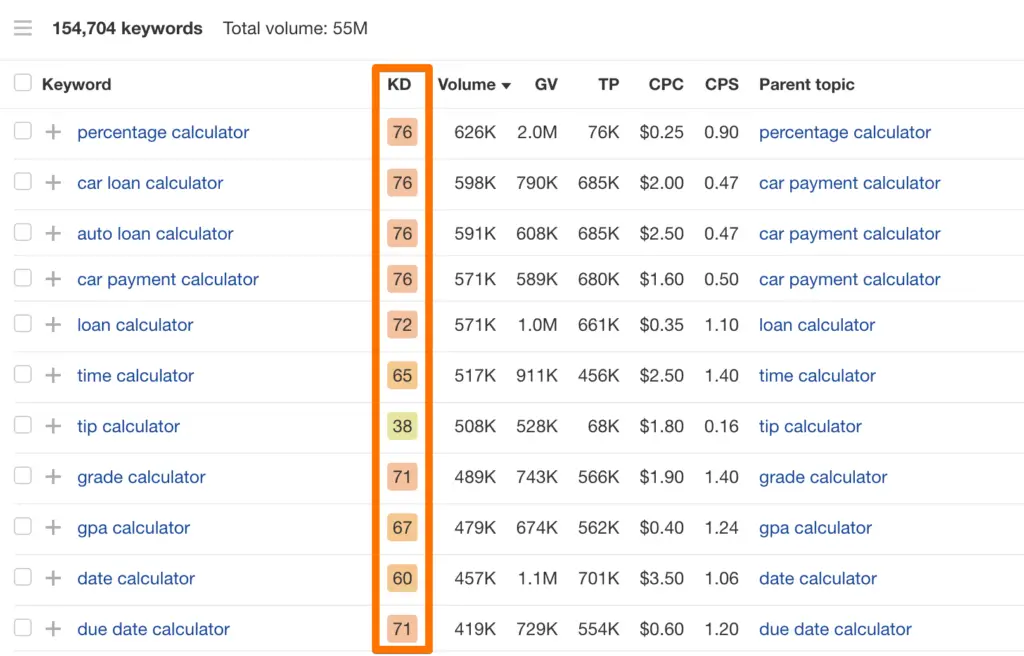
If you have access to a tool like Ahrefs, Semrush, or Ubersuggest, this step gives you a fast way to bulk-identify low-hanging fruit keyword opportunities.
In Ahrefs: Open Keywords Explorer → enter seed keywords → set a maximum KD of 20 and a minimum volume of 100 → sort by traffic potential.
In Semrush: Open the Keyword Magic Tool → enter a seed keyword → filter by KD% below 30 for starter-level opportunities (go below 15 for ultra-low competition) → look at long-tail suggestions and question-based formats.
In Ubersuggest (Free): Type your seed keyword → go to Keyword Ideas → filter by SEO Difficulty below 30 → check the related, questions, and comparisons tabs.
The goal at this stage isn’t to find the one perfect keyword — it’s to build a list of 20 to 50 candidates that you’ll then verify manually in the next step.
Step 5: Check the SERP Manually — This Step Is Non-Negotiable
This is where most people skip out, and it’s exactly why they end up targeting keywords that look easy on paper but aren’t in practice.
Tools give you a difficulty estimate. The SERP shows you the truth.
For every keyword on your candidate list, open Google and look at the top 10 results. Ask yourself:
- Are the top pages from big brands or media sites with domain ratings above 70? (If yes, skip it.)
- Are forums, Reddit threads, or Quora answers ranking in the top 5? (Green flag — Google can’t find a great dedicated page.)
- Do the title tags of the top results actually target this keyword specifically? (If titles are mismatched, your page can outrank them just by being more focused.)
- Is the content on page 1 outdated — written years ago with thin coverage? (Old, thin content is easy to beat with a well-researched article.)
- Do any top-ranking pages have fewer than 20 backlinks? (Under 20 = real opportunity.)
If you see two or more of these signals for a keyword, it’s a strong candidate. If the top five results are all from Forbes, Wikipedia, or major industry publications — move on.
Step 6: Target Long-Tail Variations
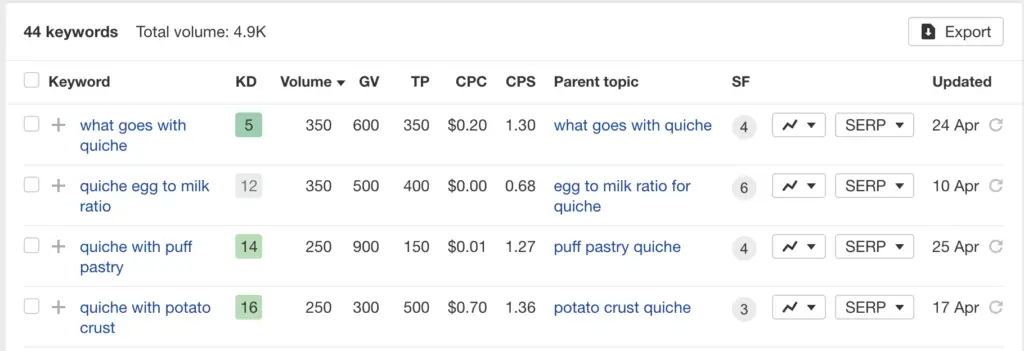
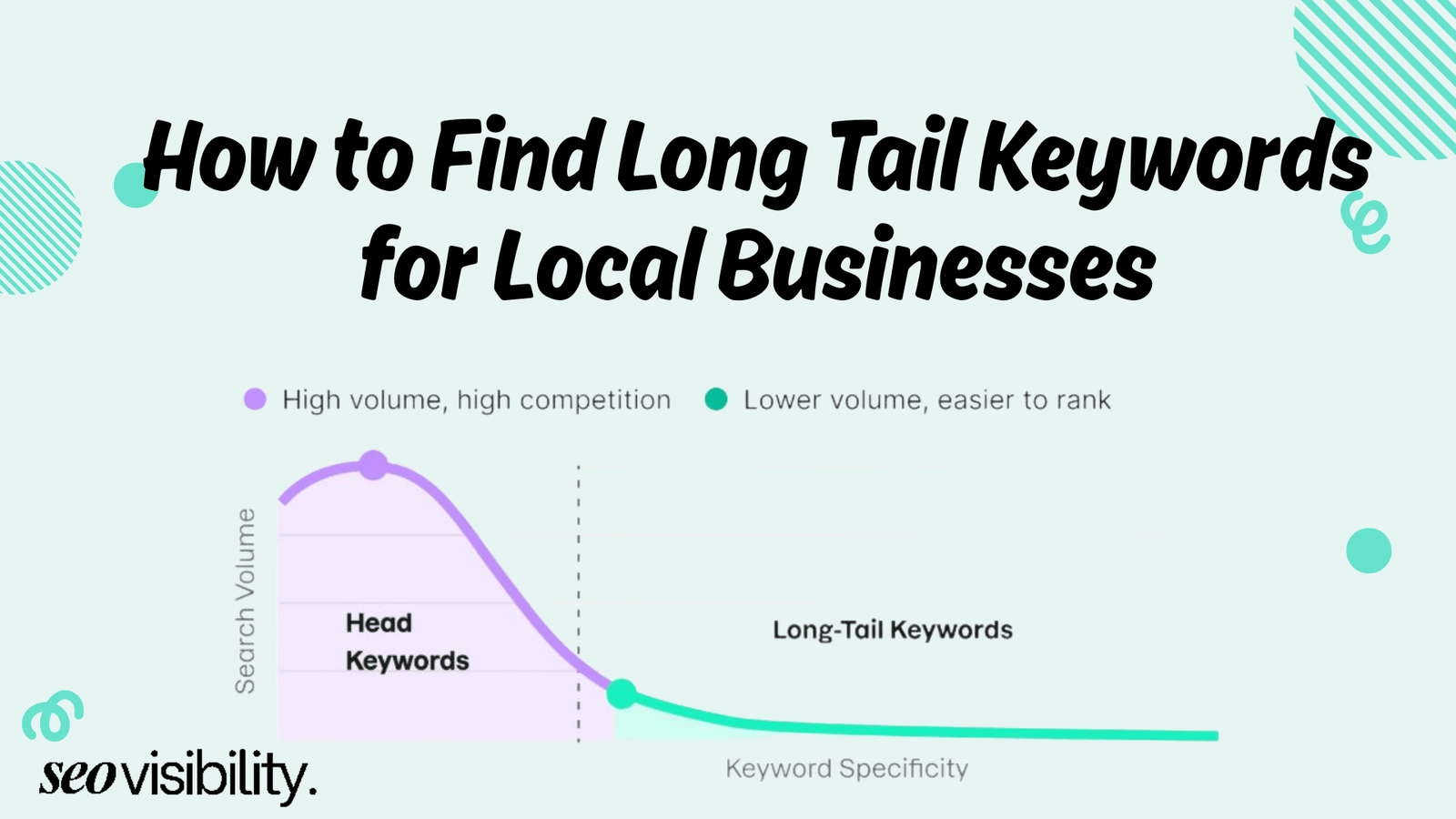
Head terms like “keyword research” are nearly impossible for small and mid-sized sites to rank for in 2026. But long-tail versions — like “how to do keyword research for a new blog in 2026” — are a completely different story.
Long-tail keywords are typically three to six words long. They get less search volume individually, but because they’re specific, the competition is almost always lower, and the traffic they send is more targeted.
Ways to find long-tail low-hanging fruit:
- Add modifiers to seed keywords: “for beginners,” “without tools,” “in 2026,” “for small business,” “step by step,” “free,” “vs [alternative].”
- Mine Reddit and Quora for questions people ask repeatedly — if the same question pops up in multiple threads, there’s demand; if no one has written a clean article about it, you have a gap
- Use AnswerThePublic (free tier) to get question-based variations of any topic
- Look at the “Related Searches” section at the bottom of any Google results page
Step 7: Prioritize by Opportunity Score
Now you have a list of candidates. Before you start writing, spend a few minutes scoring each one so you focus on the best opportunities first.
Use this simple scoring method:
| Signal | Points |
|---|---|
| KD under 20 | +3 |
| KD 20–35 | +2 |
| KD 35–50 | +1 |
| Forums or Q&A sites in the top 5 | +2 |
| Title mismatch in top results | +2 |
| Outdated content ranking (2+ years old) | +1 |
| Low DR sites (under 40) ranking page 1 | +2 |
| Search volume 100–500/mo | +1 |
| Search volume 500–2,000/mo | +2 |
| Search volume 2,000+/mo | +3 |
Keywords scoring 8 or above are your top priorities. Work through the list from highest to lowest and create content in that order.
Low-Hanging Fruit Vs Competitive Keywords
| Factor | Low-Hanging Fruit Keywords | Competitive Keywords |
|---|---|---|
| Keyword Difficulty | Under 20–30 | 50+ |
| Time to Rank | 2–8 weeks | 6–18 months |
| Backlinks Needed | Few to none | Many |
| Search Volume | 100–2,000/mo | 10,000+/mo |
| Best For | New and growing sites | Established sites |
| Risk Level | Low | High |
Common Mistakes to Avoid
Trusting KD scores blindly. A KD of 15 on a tool doesn’t mean the keyword is automatically winnable. Always check the SERP yourself before committing to a topic.
Targeting keywords with zero search volume. Even low-hanging fruit needs real demand. If a keyword shows near-zero searches per month across tools, it’s not worth targeting.
Writing generic content. Low-competition keywords are often specific, which means your content needs to be specific, too. A thin, 500-word article won’t beat even a weak competitor if it doesn’t fully answer the user’s question.
Ignoring your existing content. Some of your best opportunities are already sitting on your site — pages ranking on page 2 that need a content update, a better title tag, or stronger internal links.
Only using one tool. Keyword difficulty scores vary across platforms. Ahrefs and Semrush often disagree on the same keyword. Cross-reference before deciding.
Best Free Tools for Low-Hanging Fruit Keyword Research in 2026
| Tool | Best For | Cost |
|---|---|---|
| Google Search Console | Striking distance keywords you already rank for | Free |
| Google Autocomplete | Real user search phrases | Free |
| Ahrefs Free Keyword Generator | Keyword ideas with KD and volume | Free |
| Ubersuggest | Long-tail and question keywords | Free |
| AnswerThePublic | Question-based keyword variations | Free (limited) |
| Google Keyword Planner | Volume data for niche and local terms | Free |
Start Finding Easy-to-Rank Keywords and Grow Faster
Low-hanging fruit keyword research isn’t a shortcut — it’s a smart strategy. Instead of spending months chasing head terms you might never rank for, you’re going after real opportunities where the competition is weak and a well-written, focused piece of content can put you on page 1 relatively quickly.
The process comes down to this: start with seed keywords, use Google Autocomplete and GSC to find opportunities, filter by KD in your tools, check the SERP manually to confirm the gap is real, and prioritize long-tail variations that match specific search intent. Apply this consistently, and you’ll build a steady stream of targeted traffic that compounds over time.
If you want a hands-on partner to handle this entire process for you, Khalid Hussain at SEO Visibility is a freelance SEO expert with 15+ years of experience helping 999+ businesses, agencies, and eCommerce stores find exactly these kinds of opportunities — and turn them into real, measurable traffic growth. Reach out today, and let’s build your keyword strategy together.


![How Much Does an SEO Expert Cost in 2026 [SEO Pricing]](https://seovisibility.co/wp-content/uploads/2026/01/how-much-does-an-seo-expert-cost.png)




![SEO Copywriting Checklist [Easy to Follow Guidelines]](https://seovisibility.co/wp-content/uploads/2026/01/seo-copywriting-checklist.png)