Long-tail keywords for local businesses are specific, multi-word search phrases that combine a service, a location, and clear buying intent. They help small and local business owners rank on Google faster, attract the right customers, and convert more visitors into paying clients, without competing against national brands.
If you run a local business and want to grow through organic search, mastering long-tail keyword research is not optional. It is one of the most practical and cost-effective SEO strategies available to you right now.
What Are Long-tail Keywords?
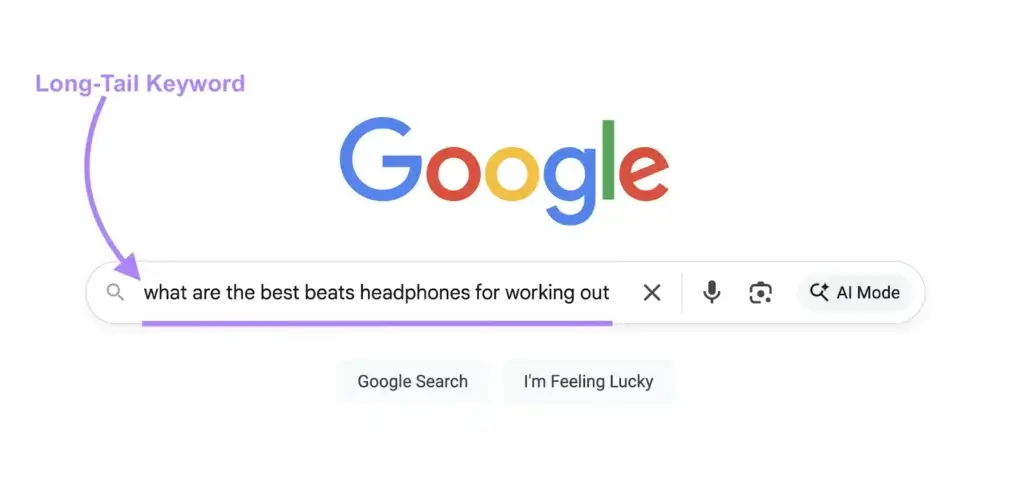
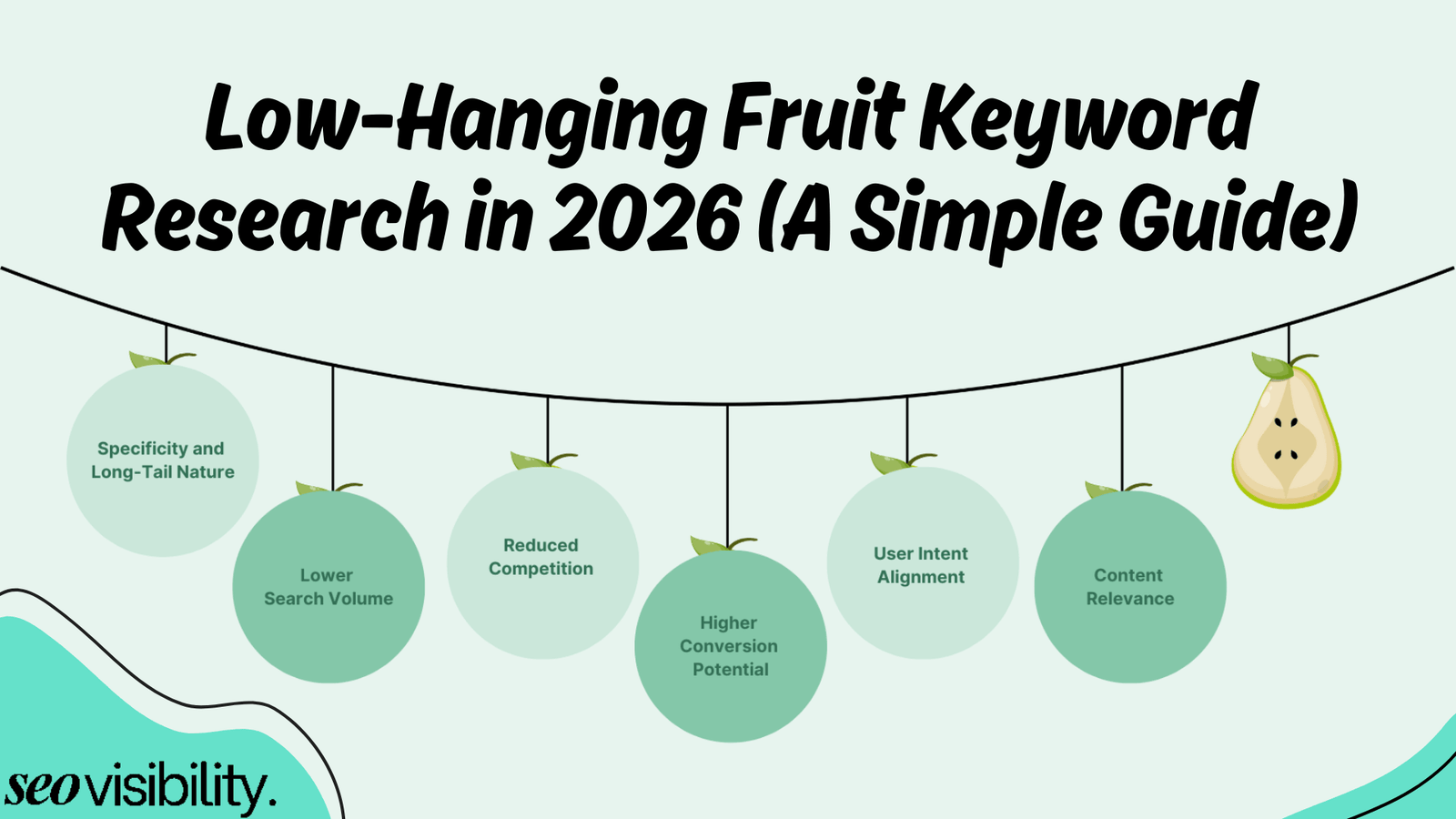
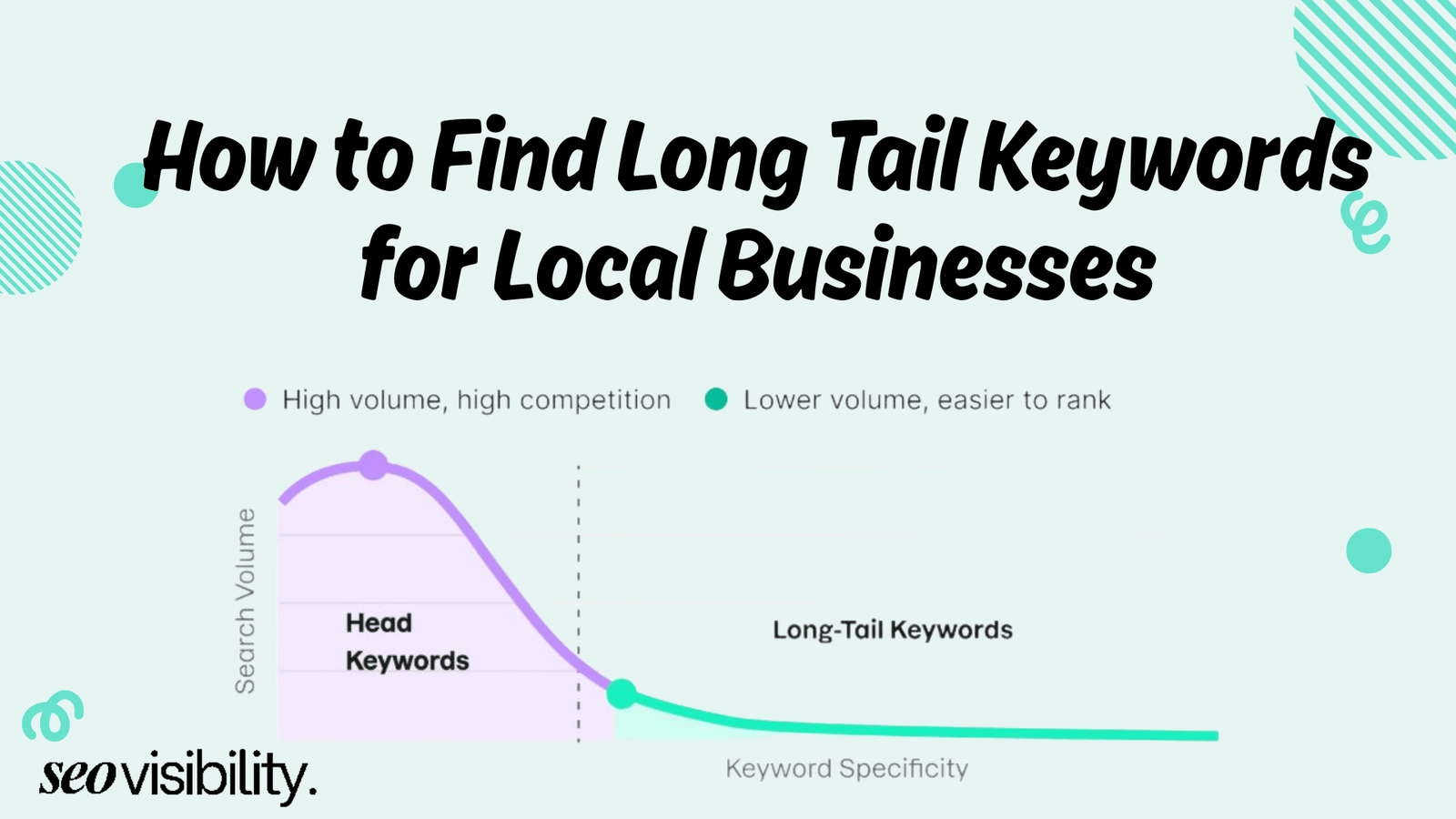
Long-tail keywords are search phrases that typically contain three or more words. They are more specific than broad, short-tail keywords and usually reflect exactly what a person wants, where they want it, and when they need it. Long-tail keywords are also called “low-hanging fruit keywords“.
A short-tail keyword like “plumber” could attract job seekers, curious browsers, or people looking for DIY tips. A long-tail keyword like “emergency plumber in Austin, TX, open now” tells you the person is standing in a flooded bathroom, ready to call someone immediately.
That specificity is what makes long-tail keywords so powerful for local businesses. The searcher has already made up their mind. Your job is simply to show up.
Why Long-tail Keywords Matter for Local SEO
Long-tail keywords make up around 70% of all search queries by volume. At the same time, they convert at 2.5 times the rate of broad head terms and carry about 58% less competition on average.
For a local business competing against national directories and high-authority websites, those numbers change everything.
Short, broad match keywords look attractive because of their search volume. But most of that traffic is low-intent. Someone typing “dentist” could be a student researching careers, a journalist writing a health story, or someone three months away from booking an appointment.
Someone typing “affordable cosmetic dentist accepting new patients in Chicago” is ready to book today.
Voice search has also made long-tail keywords more important than ever. Voice queries average 5 to 7 words, and 82% of voice search users use long-tail keyword phrases to find local businesses.
As more people search by speaking rather than typing, the businesses that target conversational, specific phrases will win the most visible spots.
Long-tail vs. Short-tail Keywords: A Quick Comparison
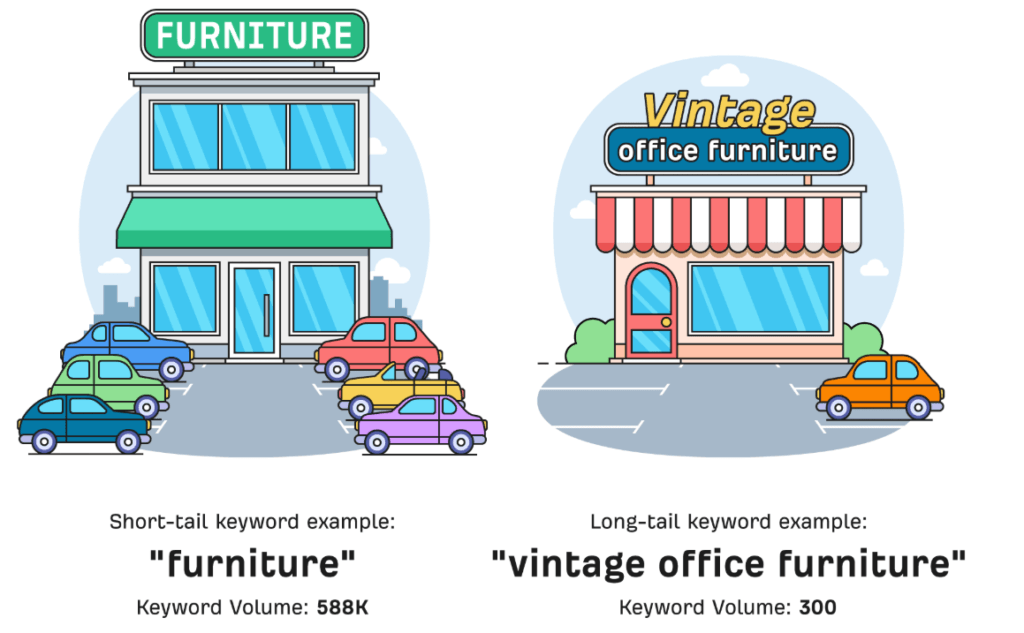
Understanding the difference between these keyword types helps you build a smarter local SEO strategy from the start.
| Feature | Short-tail keywords | Long-tail keywords |
|---|---|---|
| Word count | 1-2 words | 3 or more words |
| Search volume | High | Low to moderate |
| Competition level | Very high | Low to moderate |
| Search intent | Unclear or broad | Specific and clear |
| Conversion rate | Often low | Noticeably higher |
| Best for | Brand awareness | Driving qualified leads |
| Example | plumber | licensed plumber for pipe burst repair in Denver, CO |
| Ranking difficulty | Extremely hard | Much more achievable |
The data tells a clear story. Short-tail keywords bring volume but poor results. Long-tail keywords bring fewer clicks but far more buyers.
Understanding Local Modifiers in Long-tail Keywords
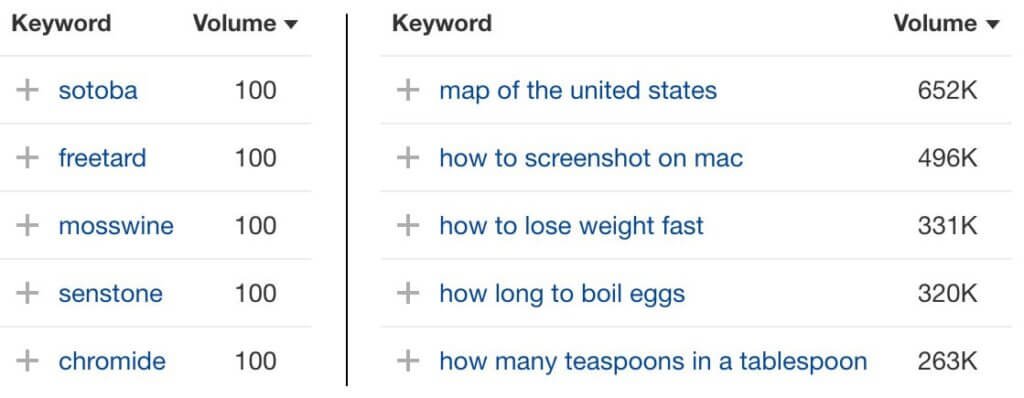
A local modifier is a word or phrase that adds geographic specificity to a keyword. When you combine your core service with a local modifier, you transform a generic keyword into a local Long-tail keyword that targets a specific customer in a specific place.
Common local modifiers include city and neighborhood names, near me phrases, ZIP codes, landmarks, and phrases like open now, same day, or accepting new patients.
A roofing company in Atlanta might go from targeting roof repair to targeting hail damage roof repair in Buckhead, Atlanta, by simply adding the right modifiers.
These modifiers are not just for geography. They also signal urgency, availability, and service specialization, which are exactly the filters a ready-to-buy customer uses when they search.
8 Simple Methods to Find Long-tail Keywords for Local Businesses
Here is a step-by-step process you can follow today to build a strong list of Long-tail keywords for local SEO.
1. Start With Your Core Services
Before you open any tool, write down every service your business offers in plain, everyday language. A landscaping company might list lawn mowing, hedge trimming, leaf cleanup, mulch installation, and sod laying. A law firm might list divorce, child custody, DUI defense, and estate planning.
Every one of those core terms is a seed keyword. Long-tail keywords for local businesses grow out of those seeds when you add geographic modifiers and buyer-intent signals to them.
Build the full list of your services first. You cannot find Long-tail keyword variations for services you forgot to include.
2. Use Google Autocomplete
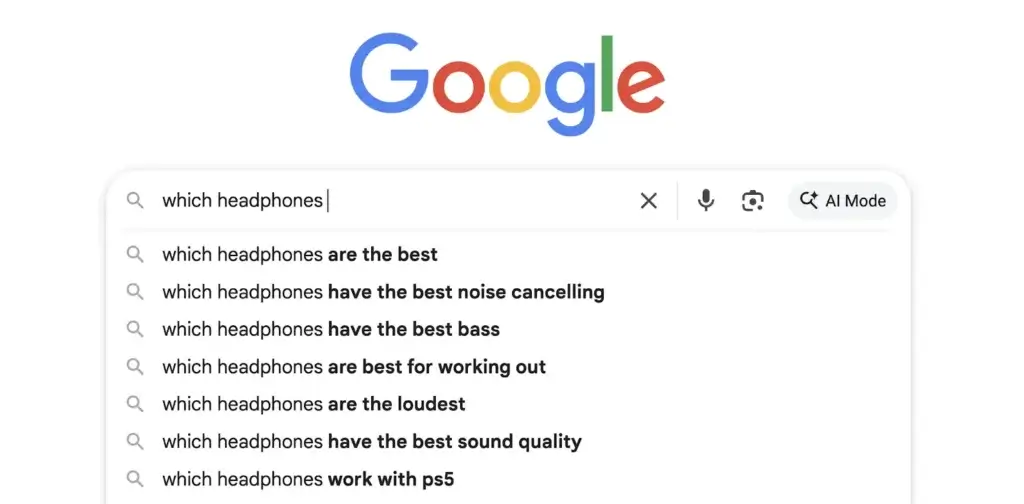
Google Autocomplete is one of the best free keyword research tools available. It shows you real searches that people are typing right now.
Open Google in an incognito window and start typing your core service plus your city. Watch the autocomplete suggestions appear below the search bar.
A hair salon in Dallas might type hair salon Dallas and see suggestions like hair salon Dallas curly hair specialist, hair salon Dallas open Sunday, or affordable hair salon Dallas deep conditioning treatment.
Each of those suggestions is a live, real-world Long-tail keyword worth considering for your local SEO Long-tail keywords list.
Use incognito mode because your personal search history can skew the results. You want to see what the broader local audience in your market is searching for.
3. People Also Ask Box
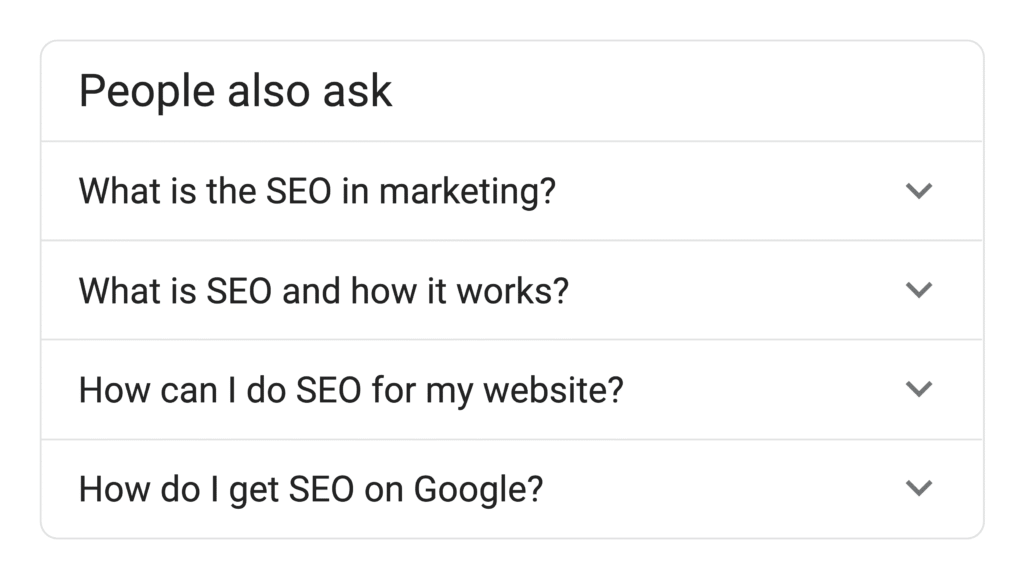
The People Also Ask box is a SERP feature that shows related questions for a given query. It expands when you click, and every click reveals more questions.
Search your core service plus your city on Google. Look for the People Also Ask box and write down the questions it shows.
A search for water damage restoration Nashville might surface questions like how long does water damage restoration take and what does water damage restoration cost.
Each of those questions is a Long-tail keyword with strong informational intent. They make excellent blog topics, FAQ sections, and featured snippet targets.
Click multiple questions to expand the box and collect more ideas. You can easily build a list of dozens of questions that real people are asking in your niche.
4. Use Google Search Console to Find Long-tail Keywords
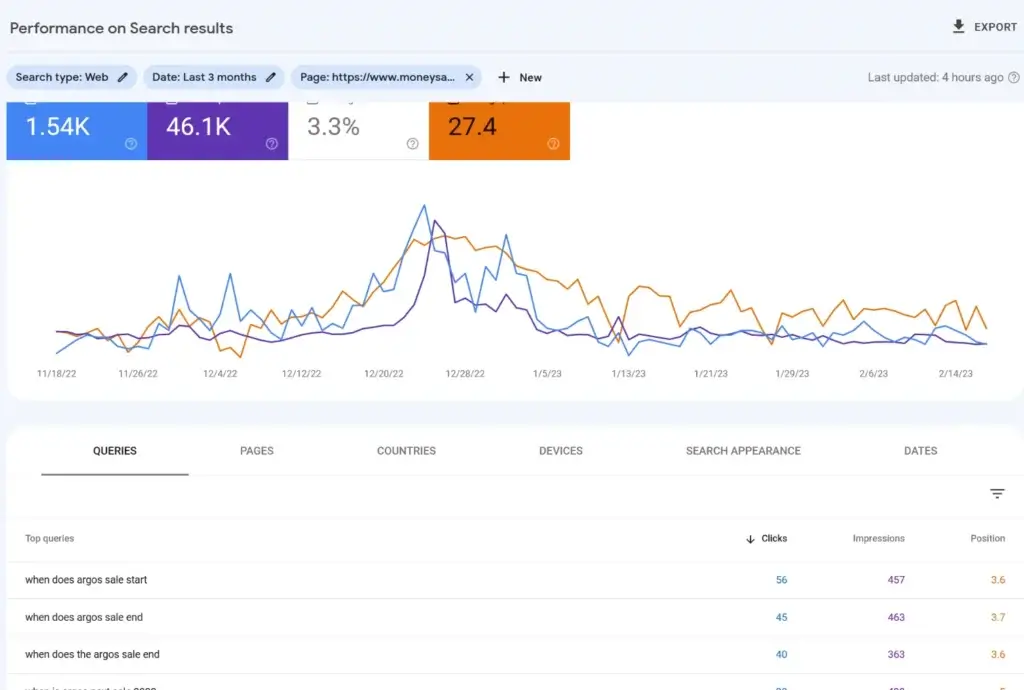
Google Search Console (GSC) is a free tool that shows you the exact phrases people use to find your website. If your site has been live for more than a few months, it is already a goldmine of Long-tail keyword data.
Open Performance, then Search Results, and add a query filter using a custom regex. Use a pattern that shows queries with four or more words, so you only see Long-tail searches.
Sort results by impressions to see which Long-tail phrases are already generating visibility for your site. Look for queries sitting at positions eight to twenty. Those are keywords where a bit of focused optimization, a better title tag, or a dedicated page could push you from page two onto page one.
This is low-hanging fruit. The demand already exists; you just need better pages and on-page optimization to capture it.
5. Analyze Competitor Keywords
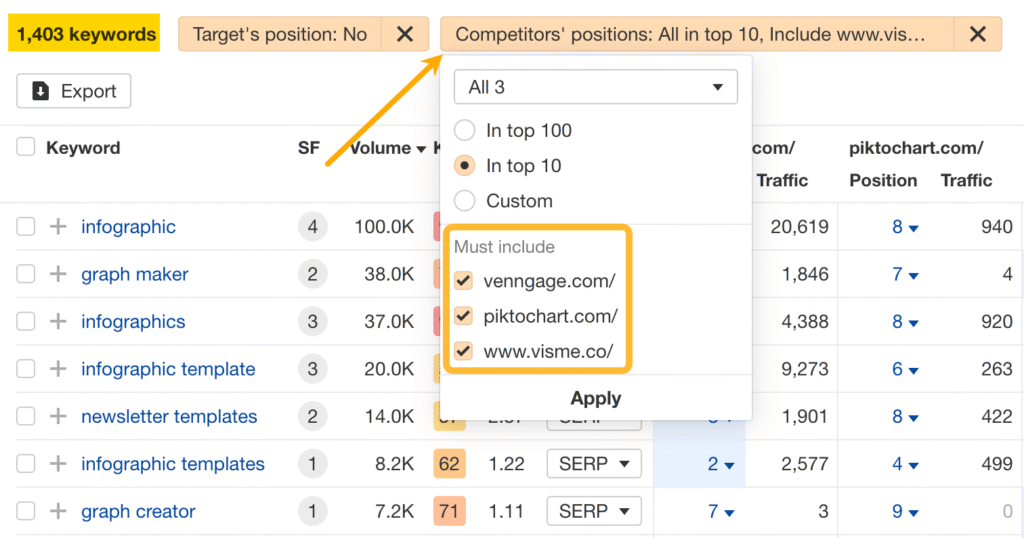
Pick three to four local competitors who consistently outrank you for your target services. Run their domains through a keyword tool that can show ranking keywords and pages.
Look at which pages drive the most organic traffic for your competitors. Then look at the specific Long-tail keywords those pages rank for.
You will find service variations you have not created pages for, neighborhood pages you have not built, and blog topics that have been sending qualified leads to competitors for months.
Thin pages that still rank well are the best opportunities. Those are gaps where a stronger and more helpful page can take the top spot without much of a fight.
6. What Your Customers are Searching
Your customers are doing keyword research for you every day. They just do not know it.
The phrases people use when they call your business, write a review, or ask a question on your website are the same phrases they type into Google.
A dental office might notice customers often ask, do you offer payment plans for veneers. That question is a Long-tail keyword. A plumber might get calls asking, can you fix a slab leak without breaking the foundation. That is another keyword idea.
Train your front-desk staff to note the exact language customers use to describe their problems. Check your Google Business Profile reviews for phrases people use to describe your services.
These raw phrases are more valuable than anything a tool generates because they reflect how your actual customers think and search.
7. Use Keyword Research Tools
There are several keyword research tools to find Long-tail SEO keywords for local businesses.
- Google Keyword Planner is free and allows you to filter results by location. It gives you volume ranges that are useful for prioritizing your content calendar.
- Ahrefs and SEMrush are paid tools that show keyword difficulty scores, SERP features, and competitor keywords. Their question reports pull from multiple sources, which helps you find question-based Long-tail keywords.
- AnswerThePublic generates hundreds of question-based keyword variations from a single seed term.
- AlsoAsked maps the full question tree from People Also Ask data and clusters questions by intent. It is useful for planning topic clusters and FAQ content.
- KWFinder by Mangools is good for location-specific Long-tail research. It allows you to target down to the city and ZIP level for many locations.
Use these tools to find Long-tail keywords for local businesses that have both search volume and manageable competition.
8. Explore Reddit, Nextdoor, and Local Forums
Keyword tools show clean, structured data. But the phrases people use when they are frustrated, confused, or ready to buy can be messy and more natural.
Browse Reddit threads in local subreddits, read neighborhood posts on Nextdoor, and scan Facebook local groups relevant to your service area.
A homeowner on a Denver subreddit might post, ” My AC stopped working. Does anyone know a same-day HVAC company nearby? That post hides great Long-tail keyword ideas like same-day AC repair Denver and emergency HVAC service Denver summer.
The exact wording customers use in these spaces is the language your content needs to mirror. Google ranks pages that speak the same language as the searcher.
Long-tail Keyword Examples for Local Businesses
Here are practical examples of how a generic keyword can expand into Long-tail keywords for local SEO.
| Business type | Short-tail keyword | Long-tail keyword for local SEO |
|---|---|---|
| Plumber | plumber | Emergency plumber for slab leak repair in Houston, TX |
| Dentist | dentist | Cosmetic dentist accepting new patients in Phoenix, AZ |
| HVAC | AC repair | Same-day AC repair for older homes in Nashville, TN |
| Roofer | Roofing | Hail damage roof repair company in Denver, CO |
| Electrician | Electrician | Licensed electrician for panel upgrades in Seattle, WA |
| Lawyer | Lawyer | Personal injury lawyer for car accidents in Miami, FL |
| Dog groomer | Dog Grooming | Mobile dog grooming for large breeds in Austin, TX |
| Bakery | Bakery | Gluten-free wedding cake bakery in Portland, OR |
| Landscaper | Landscaping | Weekly lawn care service for HOA communities in Tampa, FL |
| Accountant | Accountant | Small business tax accountant for LLCs in Charlotte, NC |
Notice the pattern. Each Long-tail keyword example combines a service, a specific qualifier, and a location.
How to Research and Choose Long-tail Keywords
Finding Long-tail keywords for local businesses is only half the work. You need to evaluate them before deciding which ones to target.
Check search volume. Local Long-tail keywords often have lower search volumes, and that is fine.
A few motivated buyers searching for an emergency plumber for a burst pipe in Charlotte, NC, each month can be worth more than thousands of people browsing for a plumber.
Check keyword difficulty. Low-volume keywords with low competition are usually ideal for local businesses, especially newer sites
Evaluate search intent. Transactional keywords like book mobile car detailing Austin deserve service pages. Informational keywords, like “how much does car detailing cost in Austin,” deserve blog posts or FAQs.
Group related keywords together. Variations that share the same intent should live on the same page, not be split into multiple thin pages that compete with each other.
Where to Use Long-tail Keywords on Your Website
Finding the right Long-tail SEO keywords for local businesses means nothing if you do not know how to use them on your website.
Service pages are the highest-priority target for transactional Long-tail keywords. Build individual pages for each core service you offer.
A heating and cooling company might have separate pages for AC tune-up service in Denver, CO, furnace installation in Denver, CO, and emergency HVAC repair in Denver, CO. Each page should contain helpful content, include pricing ranges when possible, and feature a clear call to action like call now or book an appointment.
Location pages are essential if you serve multiple cities or neighborhoods.
Build dedicated pages for each location and include unique details for that area, such as local landmarks, project examples, and neighborhood-specific notes. Avoid generic pages that simply swap city names.
Blog posts are perfect for informational and question-based Long-tail keywords for local SEO.
A post titled ” How much does a kitchen remodel cost in Los Angeles can drive qualified traffic for years and link back to your main kitchen remodeling service page.
FAQ sections on service pages can catch specific questions and phrase-match long-tail keywords that real customers ask. Title tags and meta descriptions are important on-page elements.
Place the primary Long-tail keyword in the title tag, keep it under around 60 characters, and lead with the keyword. Use the meta description to communicate benefits and increase click-through rate, even though it is not a direct ranking factor.
The Hub and Spoke Model for Local Long-tail Keyword Strategy
The hub-and-spoke model is one of the most effective ways to organize long-tail keywords in your content strategy.
The hub is your main service page, such as Plumbing services in Denver, CO. The spokes are supporting blog posts and sub-pages that each target specific Long-tail keyword variations.
Examples might include water heater installation cost Denver CO, how to know if your sewer line needs replacing in Colorado, or emergency plumber vs regular plumber.
Every spoke links back to the hub, and the hub links out to each spoke. This structure signals topical authority to search engines and keeps internal linking clean.
It also guides visitors naturally from problem-focused content to solution-focused service pages.
Things to Consider When Researching the Long-tail Keywords
- Check that every long-tail keyword has at least some real search volume before targeting it.
- Avoid chasing ultra-specific phrases with zero or near-zero demand.
- Review keyword data in tools (e.g., Keyword Planner, Ahrefs) before writing content.
- Read each page and remove unnatural, repeated phrases that feel forced.
- Make sure long-tail keywords appear naturally within sentences, not stacked.
- Keep keyword density low and focus on clarity, not repetition.
- Write content primarily for human readers, not for search engines.
- Use simple, conversational language that matches how your customers talk.
- Do not rely only on broad, short-tail keywords like dentist, lawyer, or plumber.
- Always support broad terms with long-tail variations that include service + intent + location.
- Add clear local signals to each page that targets a local keyword.
- Include city names, neighborhoods, landmarks, and service areas in your copy.
- Make sure each location page has unique, useful content for that specific area.
- Avoid cloning pages and only swapping city names (thin, doorway-style pages).
- Regularly audit existing location pages for duplicate or thin content issues.
- Merge or rewrite weak pages so they offer real value to local users.
How to Track Results From Your Long-tail Keyword
Once you begin implementing your Long-tail keyword strategy, track the right metrics to measure performance.
Google Search Console shows impressions and click-through rates for your target keywords. Check it regularly to watch movement on these phrases.
Google Analytics 4 shows organic traffic by landing page. Filter by service and location pages to see which Long-tail keyword pages are driving visitors.
Rank tracking tools can show keyword positions over time at a city or ZIP level, which is essential for local businesses.
Conversions by landing page are the metric that matters most. Set up goals in GA4 to track calls, form submissions, and bookings, then tie them back to the pages that drove them.
Expect to see early movement on low-competition Long-tail terms within a few weeks, with more stable rankings in the three- to six-month range.
Get More Local Customers With the Right Long Tail Keywords
Long-tail keyword research for local businesses is one of the most practical SEO strategies you can use today. It helps you rank faster, attract buyers instead of browsers, and build a steady stream of organic leads without paid ads.
The process is clear. Identify your core services, add geographic and buyer-intent modifiers, use free tools like Google Autocomplete, People Also Ask, and Google Search Console to surface real search phrases, evaluate each keyword by intent and competition, and build focused content around the best opportunities.
If you want expert help building and executing this Long-tail keyword strategy for your local business, Khalid Hussain is a freelance SEO expert and top-rated SEO partner with over 15 years of experience who has helped hundreds of businesses, agencies, and eCommerce stores grow online.
Visit seovisibility.co to see how a tailored Long-tail keyword strategy for local SEO can bring more ready-to-buy customers straight to your business.



![How Much Does an SEO Expert Cost in 2026 [SEO Pricing]](https://seovisibility.co/wp-content/uploads/2026/01/how-much-does-an-seo-expert-cost.png)






![SEO Copywriting Checklist [Easy to Follow Guidelines]](https://seovisibility.co/wp-content/uploads/2026/01/seo-copywriting-checklist.png)