SEO for startups means developing a strategy to grow organic traffic through search engines — without relying on paid ads — by targeting the right keywords, creating helpful content, fixing technical issues, and earning backlinks, all within a tight budget. You don’t need a $10,000/month agency to make it work. You need a clear plan, the right free tools, and consistent effort.
If you’re an early-stage founder wondering how to do SEO for your startup without burning through your runway, you’re in the right place. This guide walks you through 9 simple, budget-friendly steps that actually move the needle.
Why SEO Matters for Startups in 2026
Paid ads stop when you stop paying. SEO doesn’t work that way. Once your pages start ranking, they bring in traffic day after day without any additional spend. That’s the kind of compounding return that startups on a tight budget need the most.
Here’s the reality: most early-stage startups can’t compete with established brands on broad, highly competitive keywords. But that doesn’t mean you can’t win in search. It means you need to play smarter — and this guide shows you exactly how to do that.
Studies consistently show that organic search drives more than half (53%) of all website traffic, making it the highest-volume acquisition channel available to any business. For startups especially, capturing even a small slice of that organic traffic can translate directly into leads, signups, and customers.
The 9-Step for Startups SEO Strategy
Explore 9 steps that cover everything a startup needs to build a strong SEO. Each step focuses on a core area of SEO — from keyword research and on-page optimization to technical fixes, content creation, and link building.
Step 1: Set Up Your SEO Structure First
Before you write a single blog post or chase a single keyword, you need your technical structure in place. This is the step most startup founders skip — and it’s exactly why their SEO efforts fail early on.
Start by setting up two free tools: Google Search Console and Google Analytics 4. Google Search Console lets you monitor how your site is indexed, see which queries bring visitors, and fix crawl errors. Google Analytics 4 helps you understand user behavior, track conversions, and measure real business outcomes — not just vanity metrics like pageviews.
Once those are live, verify your site, submit your XML sitemap, and set up basic conversion tracking. This takes less than an hour and gives you the data you need to make every other SEO decision going forward.
Free tools to get started:
- Google Search Console — monitor indexing and search performance
- Google Analytics 4 — track user behavior and conversions
- Google PageSpeed Insights — check your site speed
- Screaming Frog (free version) — identify broken links and crawl issues
Step 2: Fix the Technical SEO Issues
Technical SEO sounds intimidating, but for a new startup, you only need to get the basics right. Search engines can’t rank what they can’t read — so if your site has crawl errors, slow load times, or isn’t mobile-friendly, your content won’t perform regardless of how good it is.
Here’s what to focus on first:
- HTTPS — Make sure your site uses a secure connection. Google flags non-HTTPS sites, and users will too.
- Mobile-friendliness — Over 60% of searches happen on mobile. If your site breaks on a phone, you’re losing rankings and visitors.
- Page speed — Use Google PageSpeed Insights to check your load time. Compress images, minimize unused JavaScript, and fix the biggest performance issues first.
- XML sitemap — Submit your sitemap to Google Search Console so Google can find and index all your important pages.
- Robots.txt — Review your robots.txt file to make sure you’re not accidentally blocking pages from being crawled.
- Fix broken links — Use the free version of Screaming Frog to find and fix broken internal links.
You don’t need to fix everything at once. Start with the items that have the biggest impact: speed, mobile, HTTPS, and indexability. Those four alone will put you ahead of most new sites.
Step 3: Research the Right Keywords (Low-Hanging Fruit Keywords)
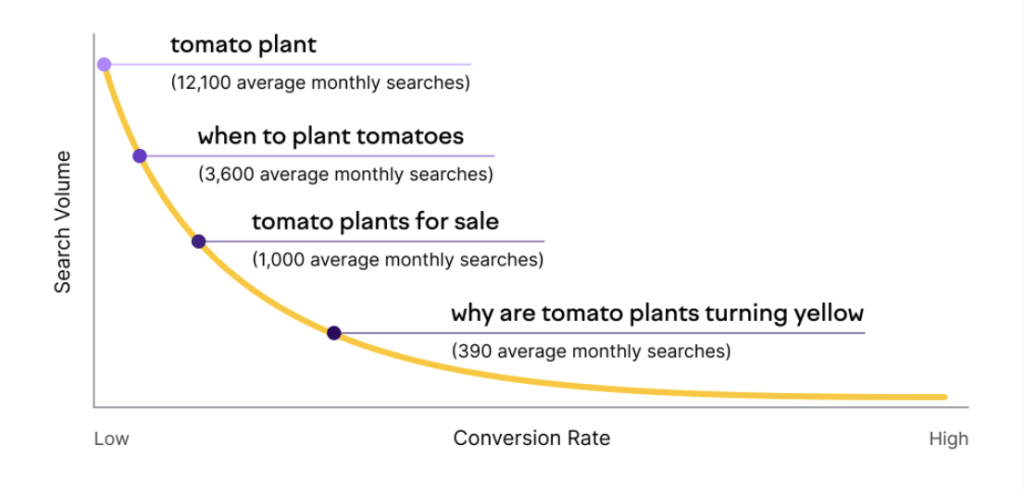
This is where most startups waste time — they go after broad, high-competition keywords they have zero chance of ranking for. Searching for “project management software” when you’re a new website? You’ll be stuck on page 10 for years.
The smarter move is to start with long-tail keywords — specific phrases that are 3 to 5 words long, lower in competition, and higher in purchase intent.
For example:
- Instead of “CRM software,” target “affordable CRM for small marketing agencies.”
- Instead of “email marketing,” target “email marketing tips for SaaS startups.”
These longer, specific phrases are easier to rank for, attract more qualified visitors, and often convert better because the searcher knows exactly what they want.
How to find long-tail keywords for free:
- Type your seed keyword into Google and look at the autocomplete suggestions
- Check the “People Also Ask” section — it’s a goldmine for content ideas
- Scroll to the bottom of the SERP and review “Searches related to…“
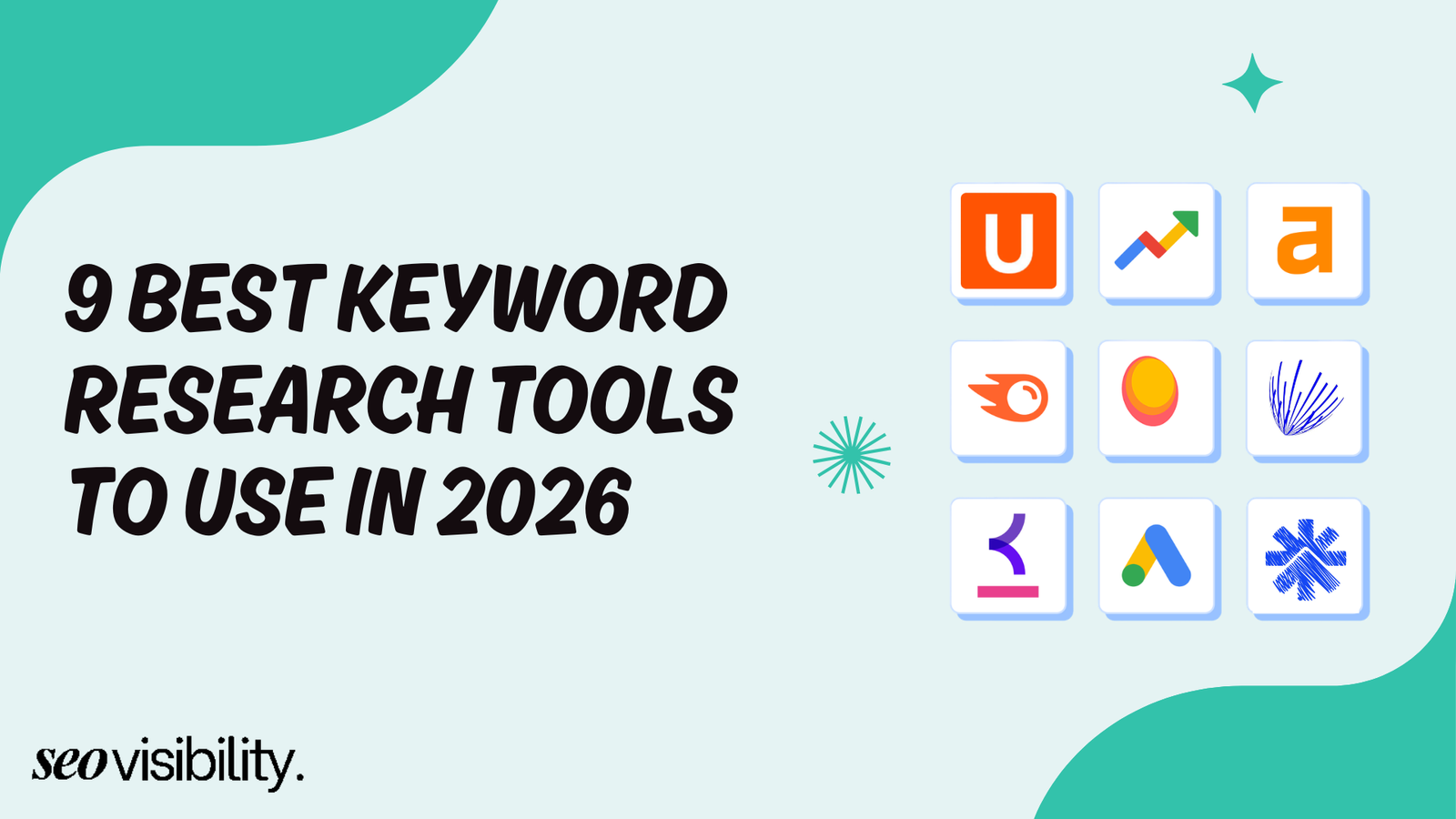
- Use free tools like Google Keyword Planner, Ubersuggest, or AnswerThePublic
- Browse Reddit, Quora, and niche forums to see the exact language your audience uses
Aim for keywords with a search volume between 100 and 1,000 per month and a keyword difficulty score under 30. That’s your sweet spot as a new site.
Step 4: Analyze What Your Competitors Are Doing
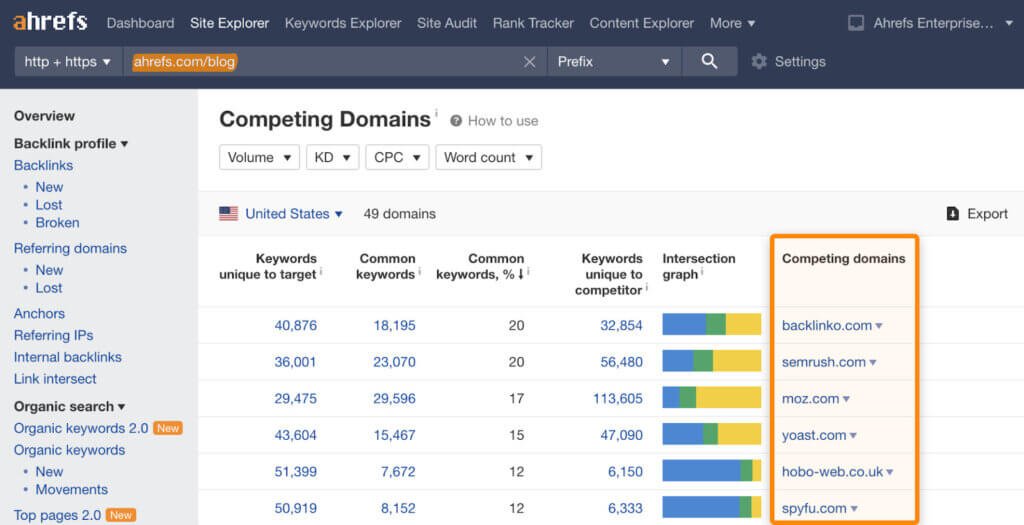
You don’t need to reinvent the wheel. Look at who’s already ranking for your target keywords and figure out why. This saves you months of guessing.
Start by Googling 3 to 5 keywords you want to rank for. Note which websites consistently show up on page one — these are your real SEO competitors, not just your business competitors. Then look at:
- What topics are they covering?
- What type of content is ranking? (Blog posts, guides, landing pages, videos?)
- How long is the content?
- What keywords are they targeting that you haven’t thought of yet?
Use free tools like Ahrefs Webmaster Tools or Ubersuggest to see which keywords your competitors rank for and which pages bring them the most traffic. Look for content gaps — topics your competitors haven’t fully covered or haven’t addressed well. That’s your opening.
The goal isn’t to copy them. The goal is to create something more useful, more complete, and better aligned with what the reader actually needs.
Step 5: Build a Realistic Content Plan
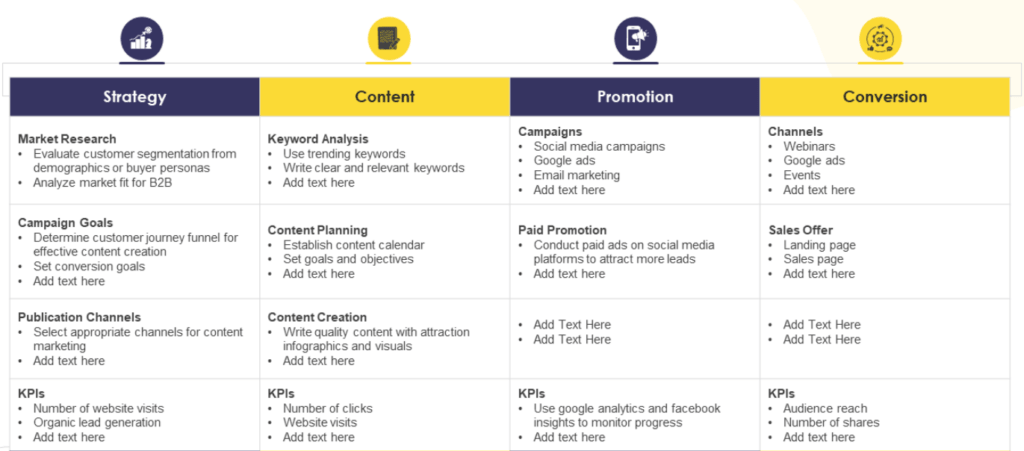
Now that you know your keywords and what competitors are missing, it’s time to put together a content plan. You don’t need 50 articles. You need the right ones.
Start by grouping your keywords into three content categories:
- Awareness content — educational posts that rank for problems your product solves (e.g., “how to manage remote teams without expensive tools”)
- Consideration content — comparison posts and alternatives (e.g., “Trello vs Asana for startup teams”)
- Conversion content — landing pages and case studies that show how you solve a specific problem
For most startups, awareness content should make up the majority of your early blog posts because it’s the easiest to rank for and builds authority over time.
One practical rule: publish fewer posts but make each one genuinely good. A 2,000-word guide that fully answers a question will outperform ten shallow posts every time. Prioritize depth over frequency, especially early on.
Step 6: Optimize Every Page for On-Page SEO
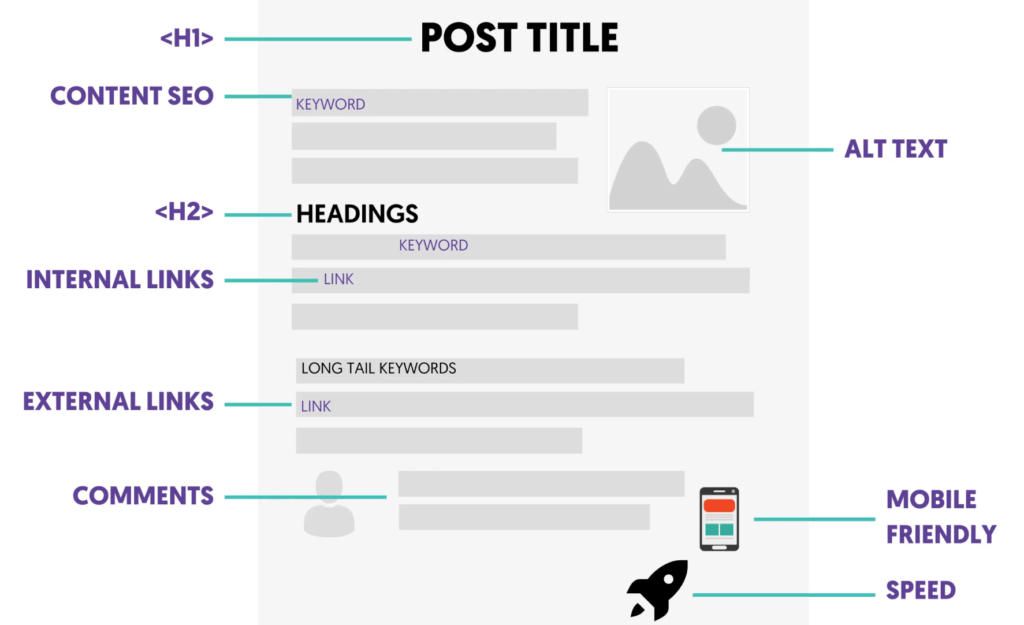
Writing great content is only half the job. You also need to tell search engines what your content is about. On-page SEO is how you do that — and it’s completely free.
For every page or blog post you publish, here’s what to optimize:
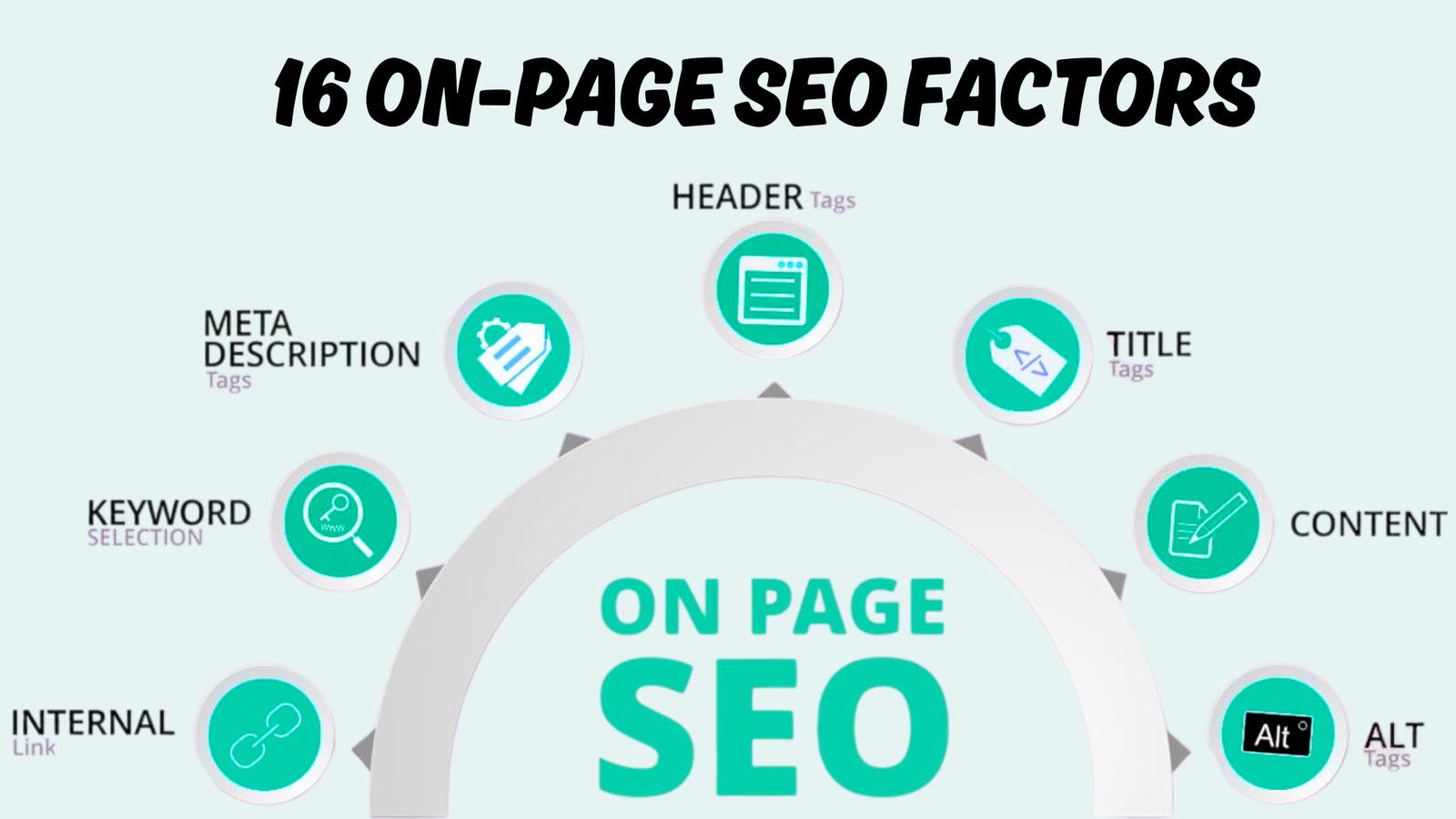
Title Tag — Include your primary keyword near the beginning. Keep it under 60 characters. Make it compelling enough that people want to click.
Meta Description — Write a brief, clear summary (around 120 to 155 characters) that includes your primary keyword and gives searchers a reason to click. This doesn’t directly impact rankings but heavily impacts click-through rate.
H1 Heading — Every page should have one H1. It should contain your primary keyword and clearly tell the reader what the page is about.
H2 and H3 Subheadings — Use these to organize your content and naturally include related keywords. This helps both readers and search engines understand your page structure.
URL Slug — Keep it short, descriptive, and keyword-rich. Use hyphens to separate words, and avoid numbers or random characters.
Images — Compress all images to keep your page fast. Add descriptive alt text that explains what the image shows — this helps with image search and accessibility.
Internal Links — Link to other relevant pages on your site within the body of your content. This helps Google understand how your pages connect and passes authority between them.
Keyword placement — Use your primary keyword naturally in the first 100 words of your content. Avoid stuffing it in unnaturally.
Step 7: Earn Backlinks the Right Way
Backlinks — links from other websites pointing to yours — are still one of the strongest ranking signals in SEO. The good news is you can earn real, quality backlinks without spending a dime if you’re willing to put in the work.
Here are the most effective zero-budget link-building tactics for startups:
Guest posting — Reach out to small to mid-sized blogs in your industry and offer to write a free post in exchange for a link back to your site. Target sites with real audiences, not just high domain authority scores.
HARO (Help a Reporter Out) — Sign up at helpareporter.com and respond to journalist queries related to your industry. When journalists quote you, they link back to your site — often from major publications.
Unlinked brand mentions — Use Google Alerts to track when someone mentions your brand online without linking to you. Reach out and politely ask them to add a link.
Directory listings — Submit your startup to relevant, high-quality directories in your niche. For SaaS startups, platforms like Product Hunt, G2, Capterra, and Crunchbase are solid starting points.
Collaborate with peers — Partner with non-competing businesses in adjacent spaces for content collaborations, joint resources, or shared roundups. These partnerships often result in natural backlinks from both sides.
Create linkable assets — Original research, free tools, comprehensive guides, or unique data attract natural backlinks over time. Even a simple survey with 50 responses can yield unique insights that others want to reference.
Be patient with this step. Link building takes time, but every quality link you earn is an asset that compounds in value over months and years.
Step 8: Optimize Your Core Website Pages
Most startups focus entirely on blogging and completely ignore their homepage, product pages, and about page. This is a missed opportunity. Your core pages are often the first thing new visitors see — and they carry significant SEO weight.
Your homepage should clearly explain what your startup does, who it’s for, and what problem it solves — all while naturally including your main keywords. Keep it simple and conversion-focused.
For product or service pages, choose specific keywords that describe exactly what you offer. Look for terms with decent search volume and lower competition, and use them naturally in your headings, body copy, and meta tags.
Quick checklist for core page optimization:
- Clear, keyword-informed headline
- Brief, benefit-driven description of your product or service
- Primary keyword used naturally in the first paragraph
- At least one internal link to a relevant blog post or guide
- Fast-loading page with compressed images
- A clear call-to-action that tells visitors what to do next
Your about page also matters more than people think. It’s a trust signal for both users and search engines. Include real information about your team, your mission, and your experience.
Step 9: Track Your Progress and Keep Improving
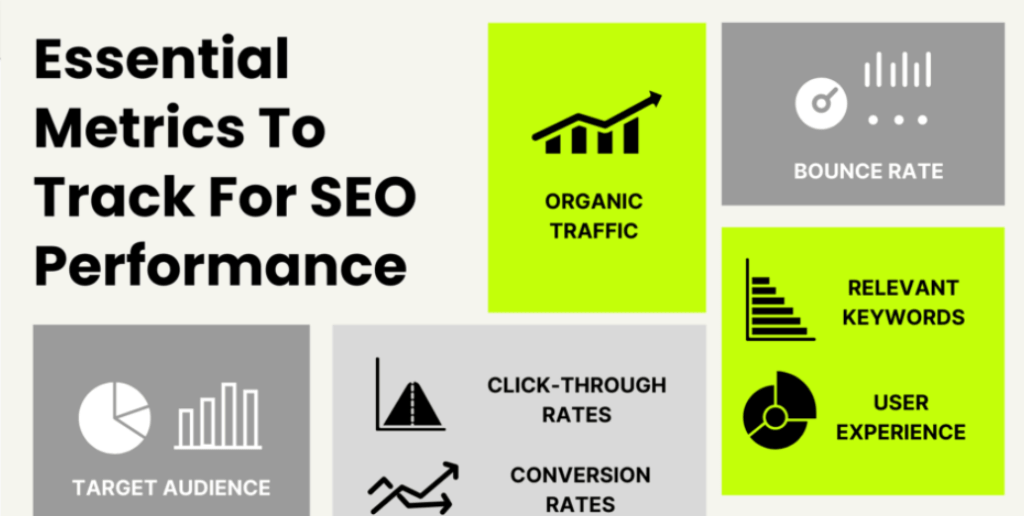
SEO isn’t a one-time task. It’s an ongoing process of publishing, measuring, and refining. Without tracking, you’re flying blind.
Check your Google Search Console regularly to see:
- Which queries are driving impressions and clicks
- Which pages are gaining or losing rankings
- Any new crawl errors or indexing issues
Use Google Analytics to track which blog posts drive the most conversions — not just traffic. A post with 500 visitors and 10 leads beats a post with 2,000 visitors and 0 leads every single time.
When to update your content:
- A post that was ranking on page 2 or 3 can often be pushed to page 1 with a content refresh. Update the information, add new data, improve the structure, and republish with a new date.
- If a post is getting impressions but low clicks, rewrite the title tag and meta description to be more compelling.
- If a post has high traffic but low conversions, improve the call-to-action or add more relevant internal links.
Set a monthly 30-minute SEO review session. That’s enough time to spot what’s working, identify what needs attention, and plan your next move.
What to Expect: Realistic SEO Timeline for Startups
One of the most common frustrations new founders have with SEO is expecting fast results. SEO is not a sprint — it’s a long game. But the results compound in a way that paid ads never will.
Here’s a realistic expectation by time frame:
Month 1–2: Foundation phase. Set up tools, fix technical issues, complete keyword research, and publish your first 4–6 pieces of content. You won’t see much traffic yet. That’s normal.
Month 3–4: Content starts getting indexed. A few long-tail keywords begin to show up in Google Search Console. Some posts may land on page 2 or 3.
Month 5–6: You start seeing consistent organic impressions. A few posts may hit page 1 for lower-competition keywords. Traffic begins to tick up slowly.
Month 6–12: Momentum starts to build. If you’ve been consistent with content and backlinks, organic traffic begins to grow month over month. Leads from SEO become measurable.
Month 12+: Compounding phase. Your domain authority grows, your older content gets stronger, and new content ranks faster. This is where startup SEO starts to deliver serious ROI.
Patience and consistency are the two things that separate startups that win with SEO from those that give up too early.
Common SEO Mistakes Startups Make (How to Avoid Them)
Even with the best intentions, startup founders often make the same SEO mistakes. Knowing what to avoid saves you months of wasted effort.
Targeting keywords that are too competitive — Going after head terms like “marketing software” or “email tool” when you have a brand-new domain is a losing strategy. Start with long-tail, low-competition keywords and build your authority from there.
Publishing thin content — Short, shallow posts that barely scratch the surface don’t rank. Search engines reward content that fully answers a question.
Ignoring technical SEO — No amount of great content will save a site that loads slowly, isn’t mobile-friendly, or has crawl errors.
Giving up too soon — Most startups quit before the 6-month mark. SEO results take time, and consistency over 12+ months is what separates the companies that break through from those that never see traction.
Keyword stuffing — Repeating your target keyword unnaturally throughout a page not only reads poorly, but it can also actually hurt your rankings.
Forgetting about search intent — A page can have perfect on-page optimization and still fail if it doesn’t match what the searcher actually wants. Always write for the person searching, not just for the algorithm.
Start Growing Your Startup with SEO Without Burning Your Budget
SEO for startups doesn’t require a massive budget or an expensive agency. What it requires is a clear strategy, the right free tools, and the discipline to stay consistent over time. The 9 steps in this guide cover everything you need to build a solid organic foundation — from fixing your technical setup and targeting the right keywords to creating content that ranks and earning backlinks that compound in value.
The startups that win with SEO are the ones that start early, stay consistent, and focus on genuinely helping their audience rather than gaming the algorithm.


![How Much Does an SEO Expert Cost in 2026 [SEO Pricing]](https://seovisibility.co/wp-content/uploads/2026/01/how-much-does-an-seo-expert-cost.png)