![SEO Copywriting Checklist [Easy to Follow Guidelines]](https://seovisibility.co/wp-content/uploads/2026/01/seo-copywriting-checklist.png)

Most websites publish content that never gets seen, even though 68% of online experiences start with a search engine. That happens because the copy is written for search engines but not humans.
If you want your content to rank, get clicks, and actually generate leads, you need a simple SEO copywriting checklist you can follow every time you write.
In this article, I’ll walk you through a practical, easy‑to‑follow SEO copywriting process you can use for blog posts, service pages, landing pages, and e‑commerce content, even if you’re not an SEO expert .
What is SEO copywriting?
SEO copywriting is the process of writing content that ranks on search engines and persuades real people to take action (click, subscribe, buy, book a call, etc.). It blends keyword research, on‑page SEO, and persuasive writing so your page can show up for the right search terms and still read like it was written for a human, not a robot.
Instead of stuffing keywords, SEO copywriting focuses on understanding search intent, using the right keywords in the right places, and structuring content so it’s easy to scan and helpful from start to finish .
SEO copywriting checklist
When you follow a clear below SEO copywriting checklist, you reduce guesswork and improve your chances of ranking for profitable keywords while keeping your brand voice and personality intact.
- Define audience and search intent
- Choose primary and secondary keywords
- Analyze top results (SERP)
- Plan your outline and headings
- Write SEO‑friendly title, URL, and intro
- Optimize on‑page elements (keywords, links, images, alt text)
- Improve readability and structure
- Add FAQs
- Do final checks and add a clear CTA
Step 1: Get clear on your audience and intent
Before you touch a headline or keyword, you need to know who you’re writing for and what they want from this page.
Ask yourself:
- Who is this page for? (business owners, marketing managers, copywriters, etc.)
- What problem are they trying to solve?
- What is the search intent behind “SEO Copywriting Checklist”?
For this topic, the intent is informational: people want a simple, practical checklist they can apply to write SEO optimized content writing without getting lost in jargon . They may also have light commercial intent if they later decide to hire someone to do it for them.
Write down:
- One primary goal for the page (e.g., “Help users write SEO‑friendly copy step by step”)
- One business goal (e.g., “Generate leads for SEO services”)
This will guide your structure, examples, and CTAs later.
Step 2: Choose your primary and secondary keywords
Now you define your keyword targets. For this post:
Primary keyword: SEO Copywriting Checklist
Secondary keywords: SEO copywriting tips, seo optimized content writing, SEO copywriting guidelines
You typically want:
- One main keyword that describes the core topic
- A few secondary keywords and close variations that support it and capture related searches
Use these smartly instead of repeating the exact same phrase in every sentence. Search engines understand context, synonyms, and related terms, so mixing them naturally reads better and still sends strong topical signals.
Where to use your primary keyword:
- Page title and H1
- URL slug (if you can edit it)
- First 100–150 words
- One or more H2/H3 subheadings
- Meta description
- Closing paragraph or CTA
Step 3: Analyze the SERP like a pro
Before writing, quickly scan the top 3–5 results for “SEO Copywriting Checklist” . Look for:
- Common structures (steps, checklists, FAQs, examples)
- Gaps (things they skip or explain poorly)
- Content length (rough average word count)
Your goal is not to copy; it’s to meet or exceed what already works . If everyone uses a step‑by‑step format, a well‑structured checklist is probably what users prefer for this query. You can still stand out by making your version clearer, more actionable, and more tailored to your target audience.
Tools like Ahrefs, SEMRush, and Moz can help you analyze keywords and SERPs efficiently.
Step 4: Plan a simple, user‑first outline
A good outline keeps you focused and prevents rambling. For a page targeting “SEO Copywriting Checklist,” a simple structure could be:
- Short intro with direct answer
- What is SEO copywriting?
- Why SEO copywriting matters (rankings, traffic, conversions)
- Step‑by‑step SEO Copywriting Checklist
- Audience and intent
- Keyword selection
- Headline and structure
- On‑page SEO basics
- Readability and UX
- Internal and external links
- FAQs
- Final checks before publishing
- Light comparison table (checklist vs writing without a checklist)
- Conclusion and CTA
Having this before you start makes SEO copywriting guidelines much easier to follow because you know where each idea belongs .
Step 5: Craft an SEO‑friendly title and URL
Your title and URL are huge ranking and click‑through signals.
Title tips:
- Put SEO Copywriting Checklist near the beginning
- Promise a clear benefit or outcome
- Keep it compelling but not clickbait
Example:
“SEO Copywriting Checklist [Easy to Follow] for Higher Rankings and Conversions”
If you can edit the URL, keep it short and descriptive, like:
- http://seo-copywriting-checklist/
Avoid dates or random numbers in the URL so you don’t have to change it later.
Step 6: Nail your introduction (hook + answer)
Your intro should:
- Confirm the reader is in the right place
- Mention the primary keyword
- Give a quick, direct answer
- Hint at what’s coming next
You can also use one statistic about search usage, content saturation, or how many pages never get any traffic to show why SEO copywriting tips matter. Keep it short and focused; people decide in seconds whether they’ll stay.
Step 7: Use headings to build a clear structure
Headings are your best friends for both humans and search engines .
Basics:
- One H1 per page (your main title)
- Logical H2s for main sections
- H3s for sub‑points when needed
Sneak your primary and secondary keywords into some headings where it makes sense, like:
- “Step‑by‑Step SEO Copywriting Checklist”
- “On‑Page SEO Copywriting Tips You Should Never Skip”
- “SEO Optimized Content Writing: What to Check Before Publishing”
This helps search engines understand your topic and gives scanners a quick way to find what they care about .
Step 8: Follow on‑page SEO basics while writing
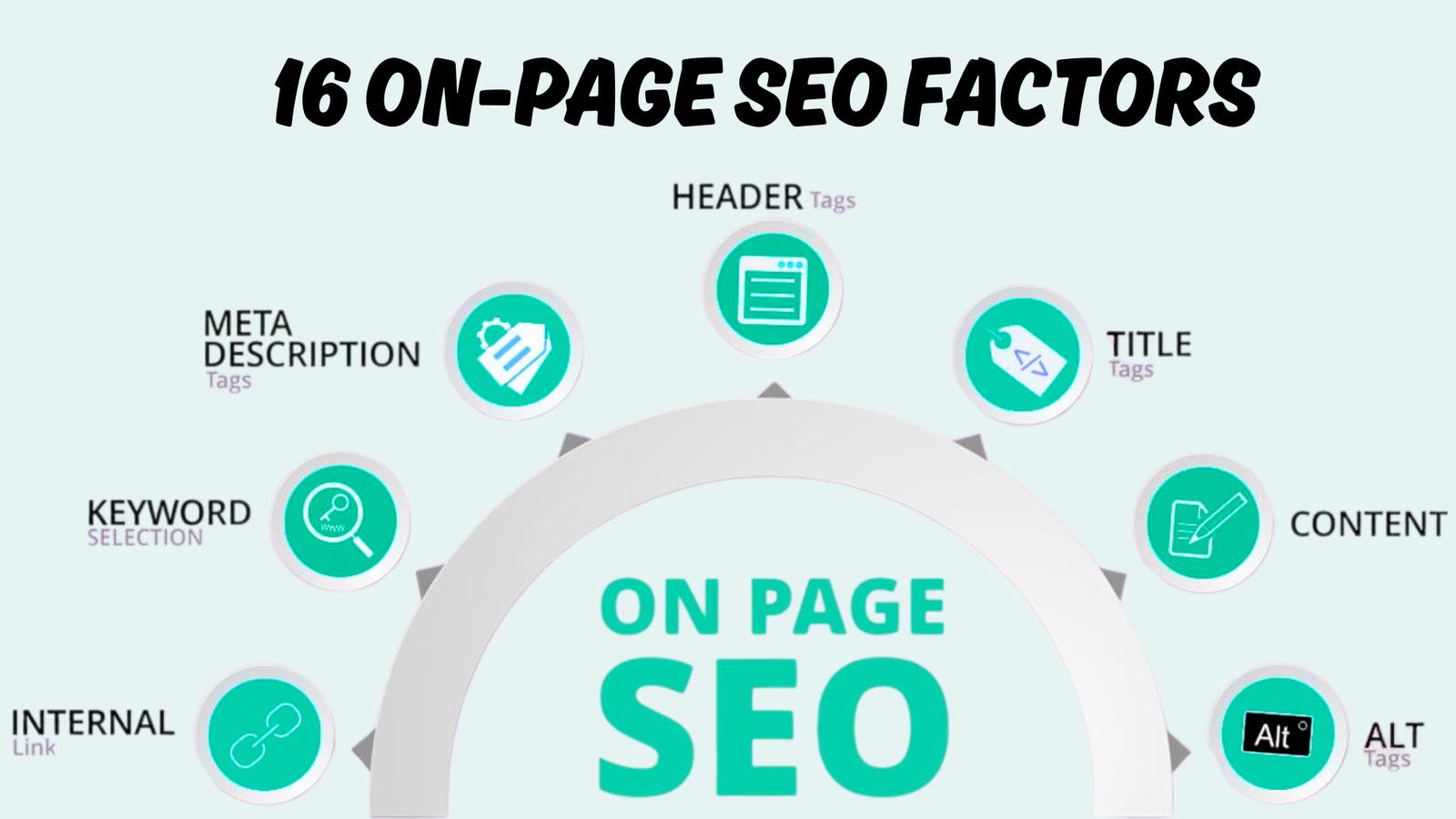
As you write, keep these core on‑page SEO rules in mind:
- Use the primary keyword early in the first paragraph
- Include secondary keywords and related phrases naturally throughout
- Don’t overdo it—aim for natural language first, not a specific density
- Use internal links to relevant content on your site, such as your homepage, services, or blog posts using branded anchor text like Khalid Hussain or keyword‑based anchors like “SEO copywriting services”
- Add a few external links to authoritative, relevant resources like Google Analytics or Google Search Console where it helps the reader
The goal is clarity, not tricks. You’re helping search engines understand what the page is about without sacrificing readability.
Step 9: Write for readability, not robots
Google cares about user experience. If your content is painful to read, it won’t perform, even if your keywords are perfect.
Make your SEO optimized content writing easy to consume:
- Use short sentences and short paragraphs (2–4 lines)
- Use simple words instead of jargon wherever possible
- Use bullet points and numbered lists for steps and features
- Use transition words (“next,” “for example,” “on top of that”) so your ideas connect smoothly
- Aim for around a 7th–8th grade reading level
You can also read your draft out loud. If you run out of breath or get lost in a sentence, it’s too long or too complex.
Step 10: Add internal links with intent
Internal links help search engines understand your site structure and help readers go deeper into your content .
You should:
- Link to relevant service pages, blog posts, or case studies
- Use meaningful anchor text (not just “click here”)
- Include at least a few internal links in each long‑form post
Step 11: Use external links to build trust
External links to credible sites show that you’ve done your homework and help users dig deeper when needed .
Best practices:
- Link only to reputable, relevant sources
- Use descriptive anchor text
- Don’t overload your content with external links—be selective
This supports the “experience” and “expertise” parts of E‑E‑E‑T by anchoring your advice in broader, trustworthy information.
Step 12: Optimize your images and alt text
Images break up text and keep people engaged . Every strong SEO copywriting checklist includes images and alt text.
Guidelines:
- Use relevant images (screenshots, simple diagrams, examples, not random stock for the sake of it)
- Compress images so they don’t slow down your page
- Name files descriptively (e.g., seo-copywriting-checklist-example.png)
- Add short, descriptive alt text that explains the image and includes a keyword only if it fits naturally
Alt text helps with accessibility and gives search engines more context about the content of the page.
Step 13: Include FAQs to capture extra traffic
FAQs can help you:
- Answer common questions your audience has
- Capture long‑tail queries
- Increase your chances of appearing in featured snippets
For a topic like SEO Copywriting Checklist, example FAQs might include:
- “What is SEO copywriting?”
- “How do I start SEO optimized content writing?”
- “What are essential SEO copywriting guidelines?”
- “How many keywords should I use in an article?”
Keep each answer short, clear, and direct. This not only helps readers but also aligns with how search engines pull snippet answers .
Step 14: Do a final pre‑publish check
Before you hit publish, run through this fast mini‑checklist:
- Is the main topic obvious at a glance?
- Does the introduction clearly answer the search query?
- Does the page use SEO Copywriting Checklist and related terms naturally?
- Are headings clear and descriptive?
- Do you have internal and external links where they add value?
- Are there any spelling or grammar mistakes?
- Is there a clear call to action at the end?
This last sweep often catches small issues that can hurt performance or trust.
Why should you hire an SEO copywriting specialist?
You can absolutely follow this SEO copywriting checklist on your own and get better results than most generic blog content online. But if you’re a busy business owner, marketing manager, or SaaS founder, you may not have time to plan strategy, do keyword research, and write high‑quality content consistently.
That’s where an experienced specialist comes in. Khalid Hussain, CEO and founder at SEO Visibility, a freelance SEO expert and professional SEO copywriter who blends persuasive writing with SEO best practices to create content that ranks and converts.
I help brands turn search traffic into leads, sales, and long‑term growth through strategic SEO optimized content writing.