

Keyword research for small business can be the difference between a website that quietly exists and one that brings in leads every single week. Recent industry data shows that over 90% of online experiences start with a search engine, and small businesses that invest in smart keyword research see significantly more qualified traffic and conversions.
When you understand how to research keywords for small business properly, you can show up in front of people who are already looking for what you sell, instead of hoping they stumble across you.
In this guide, we’ll walk through a simple, step‑by‑step process to do keyword research for small businesses, from brainstorming ideas to checking competition and optimizing keywords to your pages.
What is keyword research for small businesses?
Keyword research for small business is the process of finding the exact words and phrases your ideal customers type into Google when they’re looking for products or services like yours.
These search terms become the foundation of your SEO strategy, your content, and even your ad campaigns. Instead of guessing what to write about, you use real data to decide what topics to cover and which phrases to target.
For small businesses, good keyword research means focusing on relevant, high‑intent, lower‑competition terms instead of chasing broad, highly competitive phrases.
Why keyword research is important for small businesses
For small businesses with limited budgets, keyword research isn’t a “nice to have”; it’s a direct way to compete with bigger companies. When you choose the right keywords, you can:
- Improve visibility in local and national search results by targeting terms that match your niche and location.
- Attract higher‑quality traffic from people who are actively looking for what you offer.
- Make your marketing more efficient because your content and ads match real search demand, not assumptions.
- Increase conversions by focusing on keywords that show buying intent, not just curiosity.
When you follow solid keywords research tips, you stop wasting effort on phrases that never bring in customers and start investing in terms that can actually move the needle for your business.
Step by step guide to find keyowrds for small business
Let’s take a look at the step by step process for keywords research, free and paid tools, and a straightforward workflow you can repeat every quarter. A
- Step 1: Get clear on your audience and goals
- Step 2: Brainstorm seed keywords
- Step 3: Expand your list with keyword tools
- Step 4: Focus on long‑tail and local keywords
- Step 5: Evaluate search volume, competition, and intent
- Step 6: Organize and map keywords to pages
- Step 7: Optimize your content with your keywords
- Step 8: Review and update your keyword strategy regularly
As a small business owner or in‑house marketer, you’ll be able to build a focused keyword list that actually drives leads, not just clicks.
Step 1: Get clear on your audience and goals
Before you open any tool, you need clarity on two simple questions:
- Who are you trying to reach?
- What do you want them to do?
For most small business owners and DIY marketers, the primary goal is usually one of these: phone calls, form submissions, bookings, visits to a physical location, or online sales. Having this goal in mind helps you prioritize keywords with strong commercial or transactional intent, not just informational ones.
Think about your ideal customers in the USA:
- What problems are they trying to solve?
- How do they describe those problems in everyday language?
- Are they searching locally (e.g., “near me,” city names, neighborhoods) or nationally?
At our brand, we often start new keyword research projects with a short workshop or questionnaire to capture these details from the business owner. This upfront clarity keeps your keyword list focused and aligned with real business outcomes.
Step 2: Brainstorm seed keywords
Now you can start brainstorming. Seed keywords are simple, broad phrases closely related to your products, services, and location. You’re not trying to be clever here; you’re trying to think like a customer.
For example:
- A dentist in Houston might start with: “dentist Houston,” “teeth whitening Houston,” “emergency dentist,” “family dentist.”
- A home cleaning business in Denver might list: “house cleaning Denver,” “move out cleaning,” “apartment cleaning services,” “deep cleaning.”
- A SaaS startup might think of: “time tracking software,” “online booking tool,” “inventory management software for small business.”
Step 3: Expand your list with keyword tools
Once you have your seed list, it’s time to expand it using free and paid keyword tools. This is where you uncover variations, questions, and long‑tail phrases you might not think of on your own.
Popular free tools you can start with:
- Google Keyword Planner – useful for search volume ranges and related keyword ideas.
- Ubersuggest – beginner‑friendly keyword suggestions and basic competition metrics.
- AnswerThePublic – a great way to discover questions people ask about your topic.
- Google Trends – helpful for seasonality and interest over time.
Powerful paid tools (great as you grow):
- Semrush – deep keyword data, difficulty scores, competitor analysis, and content ideas.
- Ahrefs – strong keyword explorer, SERP overview, and backlink insights.
- Moz Keyword Explorer – good mix of usability, difficulty metrics, and suggestions.
A simple workflow you can follow:
- Drop a seed keyword (like “emergency plumber Dallas”) into your keyword tool.
- Export or copy the suggested keyword ideas into your spreadsheet.
- Repeat for your most important seed terms.
This step alone can take you from 30–50 initial ideas to a few hundred potential keywords. At our brand, we refine this list heavily, but the expansion phase is where the best hidden opportunities usually appear.
Keywords research tools comparison
Here’s a simple table to help you see how some of the most common tools fit different needs:
| Tool | Price level | Best for | Ideal user type |
|---|---|---|---|
| Google Keyword Planner | Free | Basic ideas, ad planning | DIY marketers and small budgets |
| Ubersuggest | Freemium | Simple keyword ideas, basics | Beginners and solo entrepreneurs |
| AnswerThePublic | Freemium | Content and question ideas | Bloggers and content‑focused businesses |
| Semrush keyword research | Paid | In‑depth SEO and competition | Growing small businesses and agencies |
| Ahrefs Keywords Explorer | Paid | Backlinks + strong keyword data | Technical SEO users and advanced marketers |
| Moz Keyword Explorer | Paid (trial) | Balanced SEO insights | Small teams wanting a friendly interface |
Step 4: Focus on long‑tail and local keywords
For small businesses, long‑tail keywords are often where the real wins happen. These are longer, more specific phrases, usually three or more words, like:
- “24 hour emergency plumber in Chicago”
- “best vegan bakery in Austin”
- “B2B accounting software for small businesses”
Why long‑tail keywords work so well:
- They usually face less competition than short, generic terms.
- They more clearly show intent, often closer to a buying decision.
- They bring more qualified traffic that is easier to convert into leads and sales.
For local service businesses in the USA, adding geo‑modifiers (city, neighborhood, “near me”) is a critical part of keyword research for small businesses. Think examples like “roof repair Phoenix AZ” or “pet grooming near Brooklyn.” These phrases help you show up for the people most likely to hire you.
Step 5: Evaluate search volume, competition, and intent
Now that you have a sizable list, it’s time to prioritize. This is where many small businesses get stuck, but a simple framework can make it easier.
For each keyword, look at three main factors:
- Relevance – Is this keyword directly related to what you offer?
- Volume – How many people search for this term each month?
- Competition/difficulty – How hard is it to rank for this keyword?
Most tools will show a rough search volume and a difficulty score for each keyword. As a small business, you usually want:
- Medium or modest search volume (not too low, not ultra‑high).
- Low to medium difficulty scores, especially when you’re just starting.
- High relevance to your services and location.
You also need to consider search intent:
- Informational: “how to fix a leaky faucet” – good for blog posts and guides.
- Commercial: “best plumber in Miami” – good for comparison or service pages.
- Transactional: “book emergency plumber Miami” – ideal for service and booking pages.
Good keywords research tips always stress this: pick keywords where your content can genuinely satisfy the intent behind the query.
For example, don’t target “how to repair a roof yourself” with a page that only pushes your roofing service; match the content to what the searcher expects to see.
Step 6: Organize and map keywords to pages
Once you’ve chosen your best keywords, you need to map them to specific pages on your site. This prevents overlap and keeps each page tightly focused on a primary topic.
A simple mapping approach:
- Assign one primary keyword to each important page (home, main services, key categories).
- Add 3–5 closely related secondary keywords to support that primary topic.
- Create separate pages or blog posts for distinct topics instead of cramming everything into one page.
For example:
- Home page: “plumbing company in Dallas” with secondary terms like “residential plumber Dallas,” “local plumbing services.”
- Service page 1: “emergency plumber Dallas” plus related terms like “24 hour plumber,” “after hours plumbing repair.”
- Blog post: “how to prevent burst pipes in winter” targeting an informational keyword and related questions.
This is one of the most important steps in how to research keywords for small business: making sure every strong keyword has a “home” on your site.
Step 7: Optimize your content with your keywords
With your mapping done, you can now optimize your site. The goal is to use your keywords naturally, not force them into every sentence.
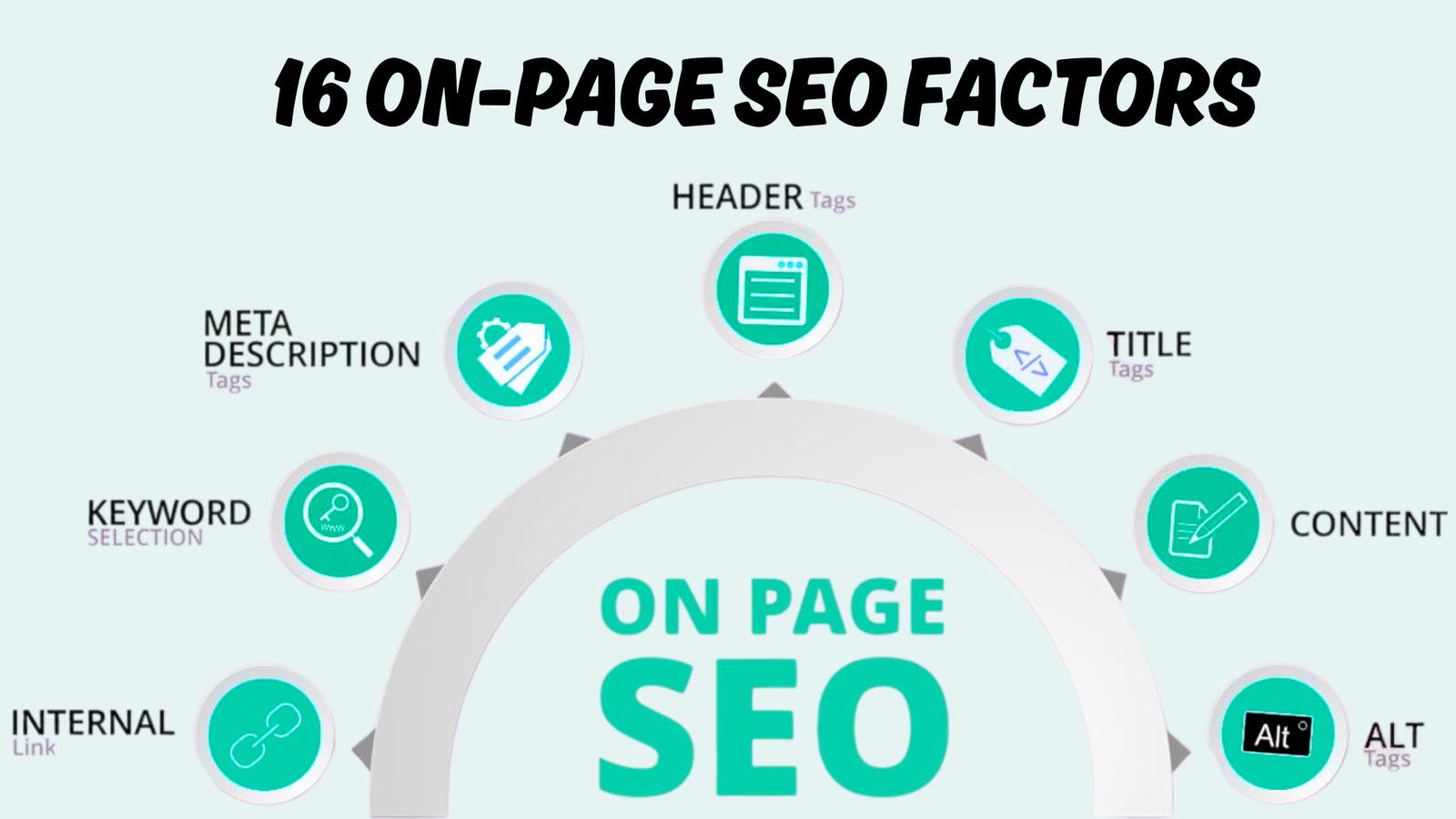
Key on‑page optimization areas:
- Page title (title tag) – include the primary keyword near the start.
- Meta description – weave in the primary keyword and a clear benefit or call‑to‑action.
- H1 heading – reflect the main topic with a natural version of your primary keyword.
- Subheadings (H2/H3) – include secondary keywords where appropriate.
- Body content – write naturally, focusing on answering the searcher’s question or need.
- URL – keep it short and descriptive (for example, “/emergency-plumber-dallas/”).
- Image alt text – briefly describe the image and include a natural keyword where it fits.
Remember, you’re writing for humans first, algorithms second. If your content flows well, is easy to read, and clearly addresses the searcher’s problem, you’re already ahead of many competitors. Keywords should support that content, not dictate every sentence.
At our brand, we also encourage using real‑world examples, FAQs, and step‑by‑step explanations in your content. This not only helps SEO but also shows genuine experience and builds trust.
Step 8: Review and update your keyword strategy regularly
Keyword research isn’t something you do once and forget. Search trends change, new competitors appear, and your business evolves over time. To stay ahead, you should plan to review your keyword list and performance regularly.
A simple maintenance routine:
- Quarterly: Review your core keywords, rankings, and traffic in tools like Google Search Console.
- After big business changes: If you launch new services, expand to new US cities, or shift your focus, update your keyword strategy accordingly.
- Annually: Refresh key pages with updated content, new FAQs, and improved internal links.
This ongoing approach keeps your website aligned with what people are currently searching for, not just what they searched for a year or two ago.
When to get expert help with keyword research
While this guide is designed so DIY marketers and small business owners can take action on their own, there are times when bringing in an SEO expert can save you a lot of time and missed opportunities.
You might want help if:
- You’re in a very competitive niche or big US market and not sure where to start.
- You’ve tried creating content but aren’t seeing traffic or leads grow.
- You don’t have time to learn multiple tools and build a full keyword strategy yourself.
- You want a data‑driven keyword strategy for your whole site, including local and long‑tail keywords.
This is where a specialist with deep experience in keyword research for small business can make a big difference.
If you’re ready to stop guessing and start using a proven, data‑driven approach, I’d love to help. Visit SEO Visibility to learn how Khalid Hussain can build a custom keyword research strategy for your small business, uncover easy‑to‑rank opportunities, and turn your website into a reliable source of new customers.