

Hiring an SEO consultant can feel like a gamble. You’ve seen the promises. You’ve heard the jargon. And maybe you’ve already been burned by someone who talked a big game but delivered nothing.
You’re not alone. Nearly 68% of US business owners reported dissatisfaction with their first SEO agency or consultant. That’s a staggering number, and it tells you one thing: most people don’t know what to look for when they hire.
But here’s the good news. When you hire the right SEO strategist, one who actually understands your business, follows a clear process, and ties their work to revenue, the results can be transformational. More qualified leads. More sales. More visibility where it matters. And a website that finally works as hard as you do.
This guide walks you through the entire process of finding, vetting, and hiring an SEO consultant who won’t waste your time or budget.
What Is an SEO Consultant?
An SEO consultant is a specialist who helps businesses improve their visibility in search engines like Google. Their job is to make sure the right people find your website when they search for the products, services, or information you offer.
Unlike a general digital marketer who might dabble in ads, social media, and email, an SEO consultant focuses specifically on organic search. They understand how search engines crawl, index, and rank websites, and they use that knowledge to help you attract more qualified traffic without paying for every click.
Some SEO professionals work as solo freelancers. Others operate within agencies. And some businesses hire them in-house. But regardless of the setup, the goal is the same: grow your business through search.
Different consultants also specialize in different areas. Some focus on local SEO for service businesses. Others specialize in e-commerce, SaaS, or B2B. Some combine SEO with content strategy, branding, or web design. That’s why it’s important to match their experience to your type of business and your goals.
What Does an SEO Consultant Do?
A good SEO consultant does far more than “add keywords” to your website. Their work touches almost every part of your online presence. Here’s what a typical engagement looks like.
Technical SEO: They audit your website for issues that prevent search engines from properly crawling and indexing your pages. This includes things like site speed optimization, mobile responsiveness, broken links, redirect chains, crawl errors, duplicate content, and structured data markup.
Keyword Research and Strategy: They research what your ideal customers actually type into Google when they’re looking for what you sell. This isn’t about stuffing pages with random words. It’s about understanding search intent and mapping the right keywords to the right pages on your site.
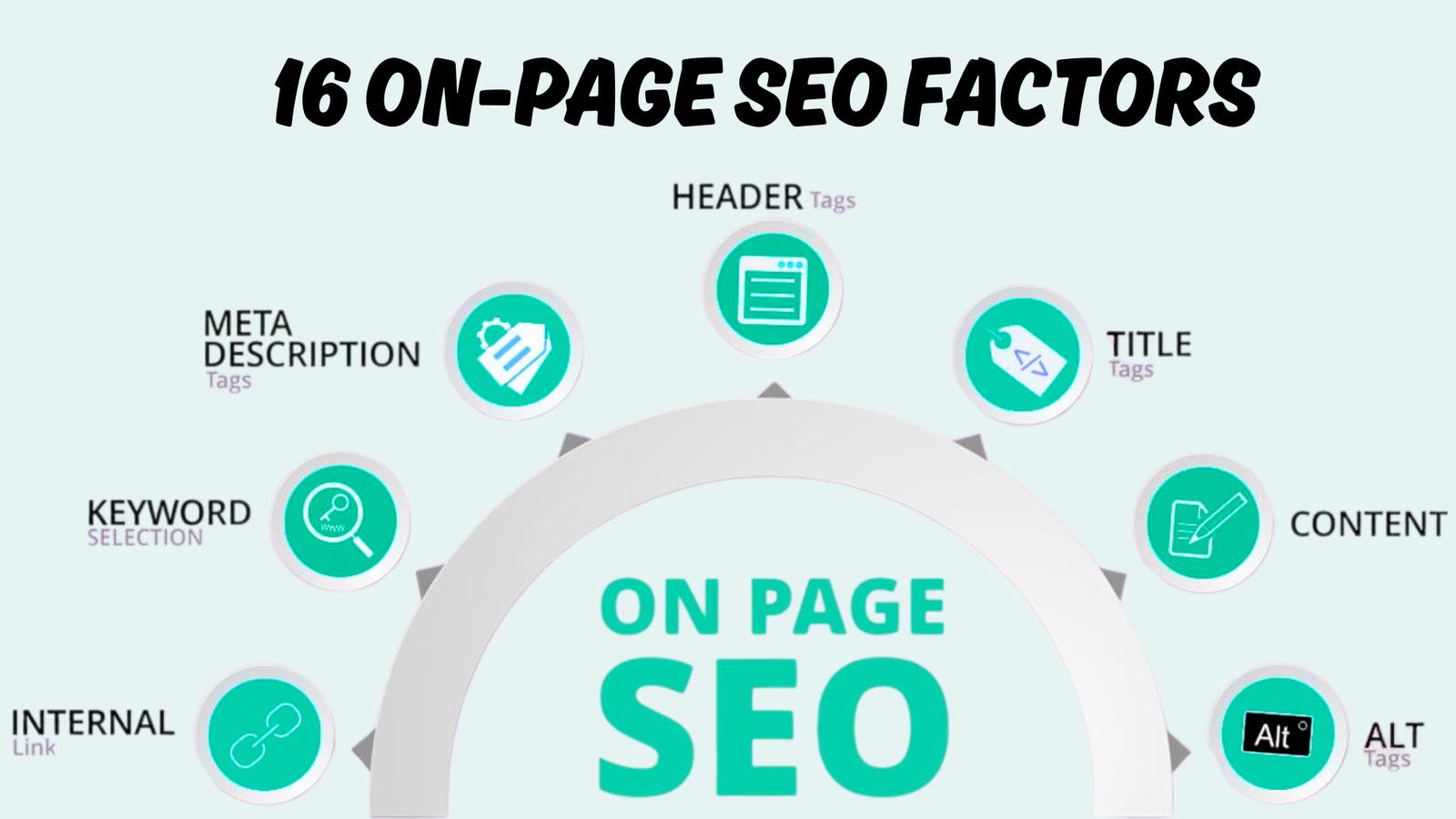
On-Page Optimization: They optimize individual pages by improving title tags, meta descriptions, headings, internal links, image alt text, and the actual content on each page. The goal is to make every page clear, relevant, and useful for both search engines and real people.
Content Strategy: They develop a content roadmap so you’re consistently publishing material that attracts the right audience. This could be blog posts, guides, landing pages, FAQs, or resource hubs, all built around topics your customers care about.
Off-Page SEO and Link Building: They help you earn backlinks from other reputable websites, which signals to Google that your site is trustworthy and authoritative. This might involve digital PR, guest contributions, partnerships, or creating link-worthy content.
Local SEO: If you serve a specific area, they optimize your Google Business Profile, manage local citations, encourage reviews, and make sure your business shows up in local search results and map packs.
Analytics and Reporting: They set up and monitor tools like Google Analytics and Google Search Console to track what’s working, what’s not, and where to focus next. Good consultants report on metrics that matter to your business, like leads, calls, and sales, not just rankings and traffic numbers.
Ongoing Optimization: SEO isn’t a one-and-done project. A good consultant continuously analyzes performance data, monitors algorithm changes, and adjusts the strategy to keep your growth on track.
Why Do You Need an SEO Consultant?
You might be thinking, “Can’t I just do this myself?” And honestly, for very basic stuff, you can. Google provides free resources, documentation, and tools like Search Console that any business owner can use to handle the fundamentals.
But there’s a big difference between basic SEO and strategic SEO that actually moves the needle. Here’s why hiring an SEO expert makes sense for most businesses:
- You save time. SEO involves research, analysis, technical fixes, content creation, and constant monitoring. Unless SEO is your full-time job, you simply don’t have enough hours in the day.
- You avoid costly mistakes. One wrong move, like a botched site migration, bad redirects, or spammy link building, can tank your rankings and take months to recover from.
- You get a strategy. not just tactics. Anyone can install a plugin or write a blog post. But a real SEO strategist connects every action to your business goals, your audience, and your competitive landscape.
- You reach the right customers. SEO is inbound marketing at its best. Instead of interrupting people with ads, you help them find you at the exact moment they’re searching for what you offer.
- You build a long-term asset. Unlike paid ads that stop the moment you turn off the budget, SEO compounds over time. The content you create and the authority you build keep working for you month after month.
- You stay competitive. Your competitors are investing in SEO. If you’re not, they’re taking the traffic, leads, and sales that could be yours.
What to Expect From an SEO Consultant
Setting the right expectations upfront prevents frustration later. Here’s what a realistic SEO engagement looks like, from timeline to deliverables.
Timeline for Results
SEO is not a quick fix. It’s a medium- to long-term investment. Here’s a general timeline:
- Month 1: Discovery, audit, tracking setup, and strategy development. You’ll see cleaner analytics, technical fixes underway, and a clear roadmap.
- Months 2-3: Implementation of on-page optimizations, content improvements, and technical fixes. Early signals like improved indexing and rising impressions start to appear.
- Months 3-6: First-page movement for long-tail keywords, growth in non-branded organic traffic, and early conversions from organic search.
- Months 6-12+: Compounding results. Stronger rankings for competitive terms, stable traffic patterns, and a clear connection between organic search and revenue.
What Your Consultant Should Deliver
At a minimum, expect:
- A thorough technical and content audit with prioritized recommendations.
- A keyword strategy mapped to your business goals.
- On-page and technical optimizations or clear instructions for your dev team.
- Regular reporting that ties SEO metrics to business outcomes.
- Ongoing communication and strategic adjustments.
If your consultant only sends you a monthly ranking report and nothing else, that’s a problem. You should be seeing real work, real analysis, and real progress toward your goals.
How Much Does an SEO Consultant Cost?
SEO pricing varies widely depending on experience, location, scope, and the type of engagement. Here’s what US businesses typically pay.
Freelance SEO Consultant Rates
| Pricing Model | Typical Range (USA) |
|---|---|
| Hourly rate | $50 to $150+ per hour |
| Monthly retainer | $500 to $5,000+ per month |
| One-time project | $1,000 to $10,000+ |
Entry-level freelancers might charge $50 to $75 per hour, while mid-level consultants with 4 to 6 years of experience typically charge $75 to $100 per hour. Senior SEO experts with 7+ years and specialized skills can charge $150 to $200 or more per hour.
For monthly retainers, small local businesses often pay $500 to $1,500 per month, while larger businesses in competitive markets might invest $2,500 to $5,000 or more.
US-based SEO agencies generally charge more, with monthly retainers ranging from $2,500 to $10,000 per month and hourly rates of $100 to $250. Agencies charge approximately 30% more on average than freelancers.
What Affects the Price?
Several factors influence what you’ll pay:
- The size and complexity of your website.
- How competitive your industry and target keywords are.
- The scope of work (audit only vs. full ongoing strategy).
- The consultant’s experience and track record.
- Your geographic market (local vs. national vs. international).
Going for the cheapest option almost always backfires. Businesses that invest less than $500 per month on SEO are significantly less satisfied with their results. The goal isn’t to spend the most; it’s to find someone whose expertise matches your needs and budget.
Questions to Ask When Hiring an SEO Consultant
The discovery call is your best chance to separate real expertise from slick sales pitches. Here are the essential questions to ask, and what good answers look like.
Can you walk me through your SEO process?
A credible SEO consultant should describe a clear methodology: discovery, audit, strategy, implementation, monitoring, and adjustment. If they can’t explain how they work, they probably don’t have a real process.
What types of businesses have you worked with?
Look for experience with businesses similar to yours in size, model, or industry. A consultant who’s only worked with massive enterprise sites may not be the right fit for a local service business, and vice versa.
How do you measure success?
Good answers focus on business metrics: qualified leads, revenue, conversions, and organic traffic from target keywords. Be wary of anyone who only talks about rankings or generic traffic numbers.
What tools do you use?
Common tools include Google Analytics, Google Search Console, SEMrush, Ahrefs, Screaming Frog, and Moz. If they can’t name the tools they use daily, that’s a red flag.
Can you show me case studies or client results?
You want to see real examples with context: what was the starting point, what did they do, and what was the measurable business impact? Vague testimonials or ranking screenshots without context don’t count.
What will you deliver in the first 90 days?
Expect an audit, a prioritized strategy, initial optimizations, and a reporting framework. If they can’t tell you what you’ll get in the first three months, keep looking.
How long before I see results?
Honest consultants say 3 to 6 months for meaningful traction and 6 to 12 months for competitive terms. Anyone promising page-one rankings in a few weeks is either lying or using tactics that will hurt you.
How do you communicate and report?
You should know how often you’ll get updates, what format reports will take, and how accessible they’ll be for questions and discussions.
What do you need from me?”
A good consultant will tell you upfront what they need: access to your site, analytics, CMS, and time from your team to implement recommendations. SEO is a two-way partnership, not a hands-off service.
Mistakes to Avoid When Hiring an SEO Consultant
Knowing what NOT to do is just as important as knowing what to look for. Here are the most common mistakes businesses make, and how to avoid them.
Hiring based on price alone: The cheapest option is rarely the best. Low-cost providers often use outdated tactics, deliver generic work, or cut corners that can actually hurt your site. Evaluate based on value, experience, and fit, not just the invoice.
Falling for guaranteed rankings: No legitimate SEO professional can guarantee a specific position on Google. The algorithm is complex, constantly evolving, and influenced by hundreds of factors outside anyone’s control. Guarantees are a hallmark of scammy providers.
Not defining clear goals: If you don’t know what success looks like, neither will your consultant. Vague objectives lead to vague strategies and disappointing results. Define specific, measurable goals before you start the search.
Ignoring technical SEO: Some businesses hire consultants who only focus on content or only focus on links. A one-dimensional approach rarely works. Make sure your consultant covers all three pillars: technical, on-page, and off-page SEO.
Skipping due diligence: Don’t just take their word for it. Check their own website, verify their background, read real client reviews, and ask for references. You can even use tools like WHOIS or the Wayback Machine to check how long their domain has been around.
Signing long-term contracts without proof: Be cautious about locking into a 12-month contract before you’ve seen any results. Many businesses don’t need a permanent monthly retainer. Start with a project or a shorter commitment, evaluate the results, and then decide whether to continue.
Expecting overnight results: SEO takes time. If you expect page-one rankings in two weeks, you’ll be disappointed regardless of who you hire. Set realistic expectations and give the strategy time to work.
Not asking enough questions: If something doesn’t make sense, ask for clarification. A good SEO professional will gladly explain their approach in plain language. If they hide behind jargon or get defensive when questioned, that’s a warning sign.
Confusing paid ads with organic SEO: Some providers run Google Ads and present the traffic as organic results. Make sure you understand the difference. Paid visibility has its place, but it’s not SEO, and it stops the moment you stop paying.
How to Hire an SEO Consultant: Step-by-Step
Now that you understand what to look for, here’s the complete hiring process in one clean framework.
Step 1: Define your goals.
Get clear on what you want to achieve. More local leads? Higher e-commerce revenue? Better visibility for specific services? Write it down.
Step 2: Decide on the type of help.
Do you need a freelance SEO expert, an in-house SEO professional, or a full-service agency? Match the model to your budget, team size, and complexity.
Step 3: Build a shortlist.
Ask for referrals. Search Google for SEO consultants who rank in your niche. Check professional communities and platforms. Review their websites and content.
Step 4: Pre-screen candidates.
Check their own site for quality and relevance. Verify their experience and background. Look for case studies with real business outcomes.
Step 5: Schedule discovery calls.
Use the questions above to evaluate their process, communication, and fit. Pay attention to how many questions they ask YOU. A great SEO strategist wants to deeply understand your business before proposing anything.
Step 6: Review proposals.
Compare what each consultant will deliver, how they’ll measure success, what it costs, and how the contract is structured. Don’t just compare prices, compare values.
Step 7: Check references.
Talk to at least two or three past clients. Ask about results, communication, responsiveness, and whether they’d hire them again.
Step 8: Start with a defined scope.
Begin with an audit, a short project, or a 3-month engagement. Evaluate results before committing to a longer relationship.
Step 9: Build the partnership.
Once you’ve found the right person, invest in the relationship. Share information openly, implement their recommendations, and treat them as a strategic partner, not just a vendor.
Grow Your Business With the Right SEO Consultant
Finding the right SEO consultant doesn’t have to be overwhelming. When you follow a clear process, define your goals, ask smart questions, and verify real results, you dramatically increase your chances of hiring someone who will actually grow your business.
If you’re looking for a freelance SEO expert who combines 15+ years of hands-on experience with a proven track record of helping 999+ businesses, agencies, and e-commerce stores grow online, Khalid Hussain is ready to help. No fluff. No empty promises. Just a clear, honest, data-driven SEO strategy built around your goals.